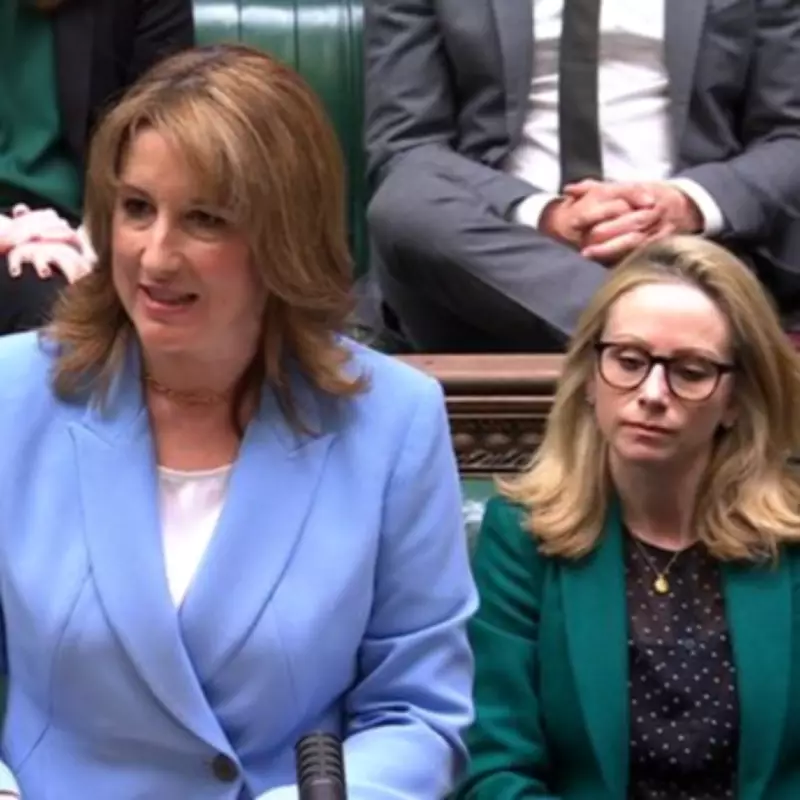
Chancellor Rachel Reeves has confirmed £120 million in support for the ceramics sector, a move aimed at helping to 're-industrialise' areas such as Stoke-on-Trent. The funding package, announced in the House of Commons, includes £60 million for energy efficiency and decarbonisation initiatives, and £60 million in revenue assistance to help firms cope with high energy costs.
Government's Bold Intervention
Business Secretary Peter Kyle described the package as the 'boldest intervention into ceramics' in over a generation, offering businesses an opportunity to 'think securely and boldly about the future'. He emphasised that the support is not just a lifeline but a partnership to help the sector thrive.
The announcement comes after Derbyshire-based Denby Pottery entered administration, though no redundancies are expected at its Middleport site. Stoke-on-Trent Central MP Gareth Snell had warned that without urgent action, the UK ceramics industry could decline.

Details of the Package
The funding comprises £60 million in capital for energy efficiency and decarbonisation, and £60 million in revenue support for energy costs. The government will work with the sector to finalise delivery mechanisms, with applications expected to open in summer. Eligible firms include producers of refractory products, clay building materials, household ceramics, and technical ceramics.
Industry Reaction
Rob Flello, chief executive of Ceramics UK, welcomed the decision, calling it a 'landmark' recognition of the sector's role in manufacturing critical products for steel, glass, and other industries. He stressed the importance of ensuring the scheme works for all members, from small companies to large organisations.
Local MPs also praised the package. Gareth Snell noted that ceramics underpin modern life, from tableware to medical equipment, and that government action is essential for stability. City council leader Jane Ashworth described the investment as a 'vote of confidence' in Stoke-on-Trent's ceramics sector.
The support extends beyond the existing supercharger programme for energy-intensive industries, which the sector had been demanding. The government aims to help businesses modernise and compete internationally, addressing challenges from surging energy costs and overseas competition.