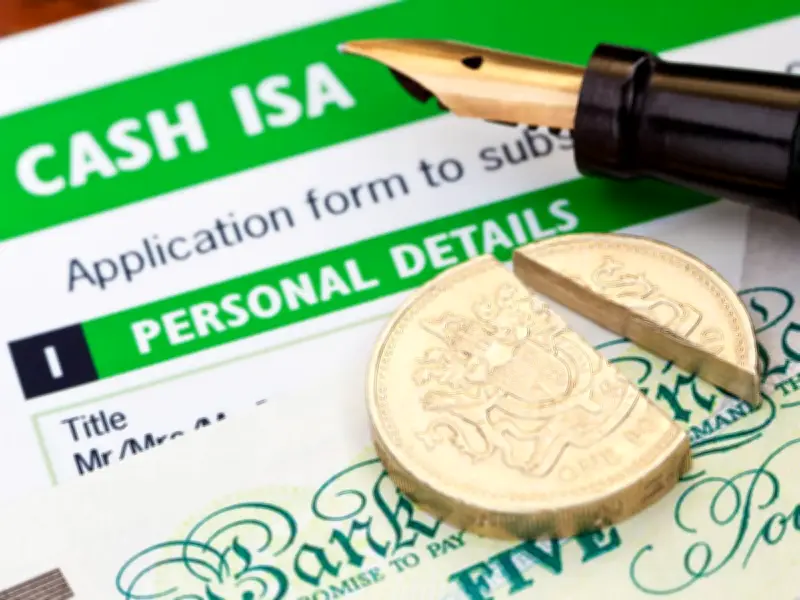
The Treasury is set to confirm a 22% tax on any interest earned in Stocks and Shares ISAs, along with restrictions on transfers between different ISA accounts, according to a document obtained by the Financial Times. The changes, part of a broader overhaul announced by Chancellor Rachel Reeves, are expected to be implemented next April.
Three Key Principles of the ISA Reforms
The reforms are broken down into three main principles. First, a 22% levy will be applied to interest earned on cash balances held within stocks and shares ISAs. Second, the government plans to prevent transfers from investment ISAs back into cash ISAs, though transfers from cash ISAs into investment products will still be allowed. Third, investors will no longer be able to hold money market funds—low-risk mutual funds investing in short-term debt securities like Treasury bills—as their entire ISA portfolio.
HMRC's Stance and Industry Reaction
However, HMRC noted that a complete ban on money market funds "would hamper normal investor behaviour." Rob Hillock, head of personal financial planning at Broadstone, commented: "For many savers, particularly younger investors with wider time horizons, the hope is that this will significantly improve long-term returns. However, there is a risk that some individuals become uncomfortable holding investment risk if they feel their ability to move back into cash has been reduced. The key challenge will be ensuring savers understand both the opportunities and risks involved, so that investment decisions are driven by personal circumstances and financial goals rather than tax considerations alone."

Impact on Savers and Investors
The changes aim to encourage long-term investment in stocks and shares, but may reduce flexibility for savers who prefer to move funds into cash during market volatility. The Treasury's proposals are part of a wider effort to streamline the ISA system and align it with the government's growth agenda.