The story of a Welsh-backed life sciences firm that soared to a $10bn valuation is also a tale of a colossal missed opportunity for the Welsh taxpayer. Verona Pharma, a developer of treatments for chronic lung diseases, was acquired by pharmaceutical giant Merck & Co for £7.5bn last year. Yet the Welsh Government, which was once a major early shareholder, had sold its entire stake long before the blockbuster deal.
The Early Bet and the Vision for Welsh Life Sciences
The saga began in 2012 when the then First Minister, Carwyn Jones, announced plans for a dedicated equity investment fund to boost the life sciences sector in Wales. The strategy was championed by the formidable then Economy Minister, Edwina Hart. She enlisted Sir Chris Evans, the ebullient Port Talbot-born serial entrepreneur, to help run the £50m Wales Life Sciences Investment Fund (WLSIF).
Launched in 2013, the fund aimed to attract firms to Wales, help them grow, and generate a return for the public purse. It was a bold move into a high-risk, high-reward sector where clinical trials and regulatory hurdles mean success is never guaranteed.

Verona Pharma: From £4.6m Investment to Partial Exit
In 2014, the WLSIF made a pivotal investment, injecting £4.6m into AIM-listed Verona Pharma for a 20.5% equity stake. A condition was that the firm relocate to Wales, though it ultimately maintained its head office in London with only a partial presence in Cardiff.
The fund's management, however, did not adopt a patient capital approach. By 2016, needing to repay a £3m loan, the fund manager, Arthurian Life Sciences, sold half of the fund's stake in Verona. Furthermore, the fund did not participate in a £45m fundraising round that summer, drastically diluting its holding. By the end of 2016, the Welsh stake had plummeted from 20.5% to just 4.1%.
The $10bn Jackpot and the Road Not Taken
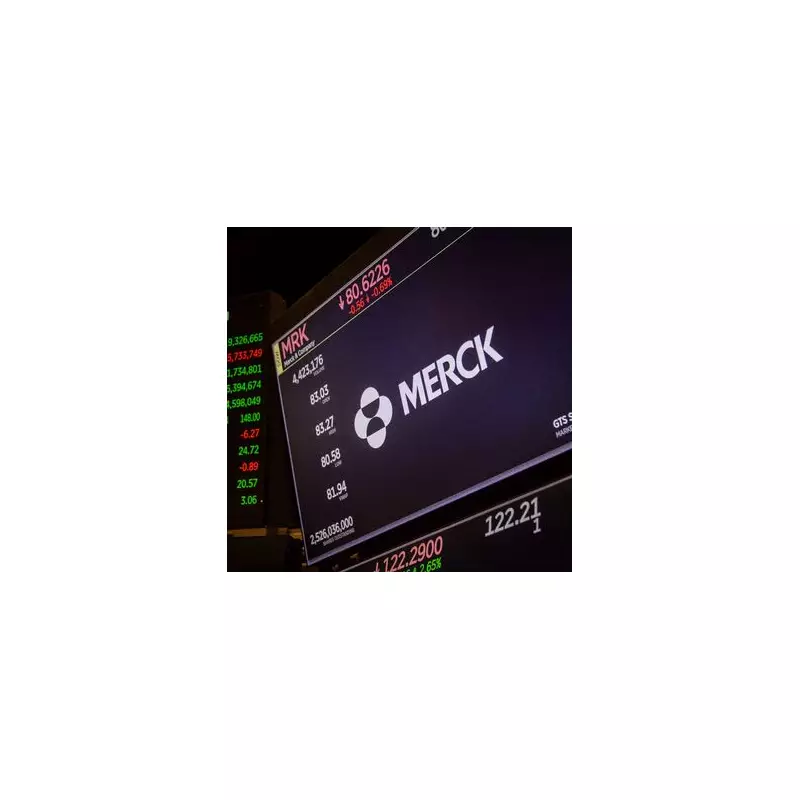
Verona's fortunes changed dramatically in 2024 when its inhaled treatment for COPD, Ohtuvayre, was approved in the USA. With a vast market of an estimated 16 million patients, the company became a prime target. In 2025, Merck swooped with a $10bn (£7.5bn) acquisition offer.
The remaining Welsh-held shares had been sold in 2022 when the share price was around $10. The Merck deal valued shares at $107 each. In total, the Welsh fund's various sales of Verona stock generated £5.77m—a modest profit of just over £1m on the original £4.6m outlay.
The staggering missed opportunity is clear. Had the fund retained its full 20% stake (allowing for some dilution), it could have been worth approximately £2bn at the time of the Merck takeover. Such a return would have transformed the fund's performance and provided a huge financial boost for Wales.
Legacy of the Fund: High Hopes and Hard Lessons
The WLSIF was closed in 2023. Over its lifetime, it made 11 investments, writing off around £27m. Its total cost, including fees, reached £52.5m. While it created and safeguarded jobs and attracted co-investment, it failed to establish an evergreen model where profitable exits were reinvested.
A spokesperson for the Development Bank of Wales, which oversaw the fund's wind-down, stated the fund's goal was economic development. They confirmed the fund manager sold the remaining Verona shares in 2022 after the company shifted its focus away from Wales.
The story of the WLSIF and Verona Pharma underscores a critical lesson in life sciences investment: it is a numbers game requiring scale, patience, and a tolerance for high risk. Experts suggest a fund of around £200m making some 50 investments would have been needed to statistically secure a few star performers to offset losses. The Welsh Government took a risk, but with only 11 deals, the odds were firmly stacked against it.