Unilever Confirms $60 Billion Food Empire Merger with McCormick
Consumer goods giant Unilever has finalized a monumental $45 billion merger of its food brands with US spice and seasoning leader McCormick. This strategic move establishes a formidable $60 billion food and drinks conglomerate, with Unilever maintaining a dominant 65 percent majority stake in the newly formed entity.
Financial Details and Strategic Shift
Under the terms of the agreement, Unilever and its shareholders will receive $15.7 billion in cash along with McCormick shares valued at $29.1 billion. This transaction marks a pivotal step in Unilever's long-term strategy to divest from its food and drink portfolio, as incoming chief executive Fernando Fernandez aims to transform the company into a more agile and focused organization.
Fernandez emphasized, "For Unilever, this transaction is another decisive step in sharpening our portfolio and accelerating our strategy towards high-growth categories." His vision includes delivering €800 million in savings over three years and eliminating 7,500 jobs, including 200 managerial roles, to combat what he describes as "mediocrity" within the business.

Brands and Operations Impact
Unilever's food division encompasses iconic brands such as:
- Hellmann's mayonnaise
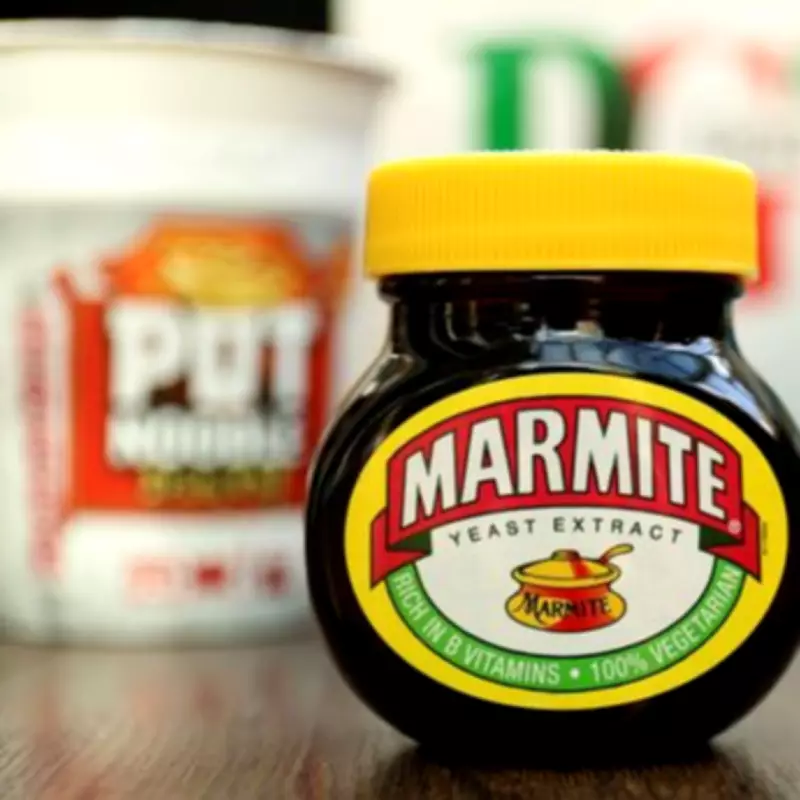
- Marmite
- Bovril
The company's UK operations include a significant plant in Burton-on-Trent, which produces Marmite, Bovril, Hellmann's, and Colman's products, as well as a Pot Noodle factory in Crumlin, South Wales.
Analyst and Executive Perspectives
Brendan Foley, McCormick's chief executive officer, stated, "This combination will create a diversified flavor leader with a robust growth profile that remains differentiated by its focus on flavoring calories while others compete for them." Russ Mold, investment director at AJ Bell, noted that Unilever, having slimmed down, will need to demonstrate its fitness for the future, with an upcoming opportunity in next month's first-quarter update.
Activist Influence and Broader Context
Activist investor Nelson Peltz, founder of Trian Partners, has been advocating for Unilever to streamline its portfolio since acquiring a stake in 2022. Peltz currently holds a non-executive position on the FTSE 100 company's board, reinforcing the push for efficiency.
In a related development, Unilever has implemented an immediate global recruitment freeze affecting all levels, citing "significant challenges" from the Middle East conflict. Fabian Garcia, head of Unilever's personal care division, explained in a memo that macroeconomic and geopolitical realities, particularly the crisis in the Middle East, are driving up costs such as shipping and plastic packaging production. The freeze is effective immediately and will last for at least three months, as the company braces against an uncertain external environment and revises its strategy accordingly.
This merger follows Unilever's previous spin-out of The Magnum Ice Cream Company last year, underscoring a consistent trend toward portfolio refinement. Prior to the deal, analysts had speculated that an outright sale was unlikely due to the financial scale of Unilever's food division surpassing that of McCormick, making this merger a strategic compromise that leverages both companies' strengths.