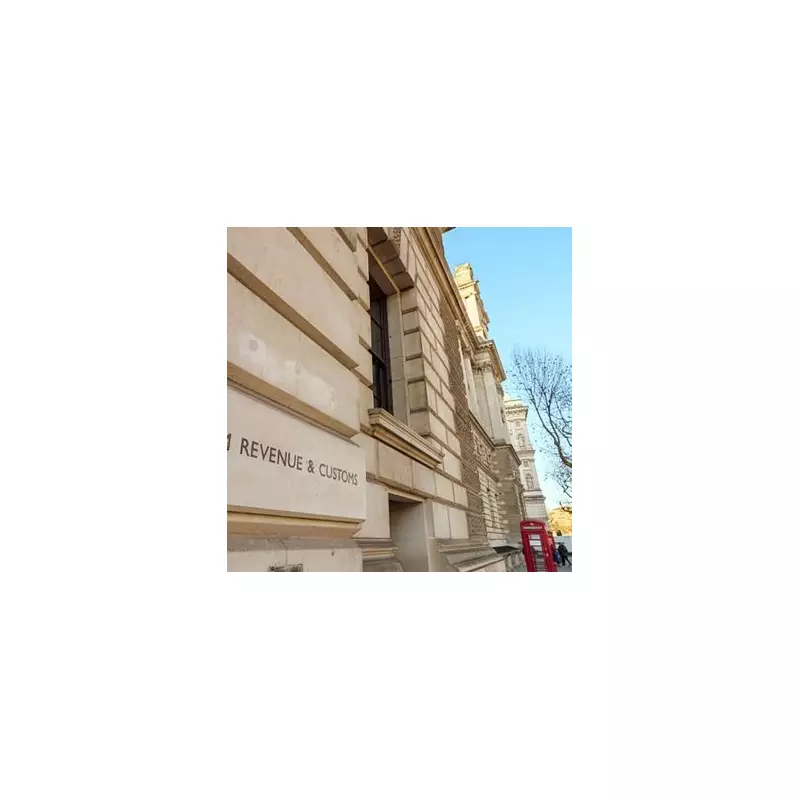
Around 300,000 employees across the United Kingdom are set to lose a valuable tax perk worth over £300 per year, following a significant change announced in the recent Autumn Budget.
The End of Flat-Rate Homeworker Relief
From April 2026, HM Revenue and Customs (HMRC) will abolish the flat-rate £6 per week tax relief for employees who are required to work from home. This relief, which amounts to £312 annually, was designed to help offset the additional household costs incurred by remote working, such as heating and electricity.
The change, confirmed after the Labour Party's Autumn Budget, means eligible workers will no longer be able to claim this simplified allowance. Instead, the system will revert to one where individuals must provide detailed evidence of their extra expenses, a process experts describe as far more burdensome.

Industry Experts Voice Concerns
Kate Underwood, Founder of Kate Underwood HR and Training in Southampton, criticised the move. She stated it feels like a withdrawal of recognition for those who worked from home. "If you worked from your spare room to keep things going, the government’s thank-you gift is basically: ‘About that £6 a week, we’ll have that back now'," she said.
Underwood highlighted the disproportionate impact on people with disabilities or those without access to an office. She also warned of the administrative burden now falling on small businesses, which must either absorb costs, manage complex receipts, or risk losing staff who can no longer afford to work remotely.
Her advice to those affected is clear: "If you or your team have been required to work from home and have never claimed, talk to your accountant now and consider backdating what you can."
Broader Economic Warnings
Colette Mason, an Author and AI Consultant at London-based Clever Clogs AI, issued a stark warning about the long-term consequences. She argued that by adding complexity for small firms, the policy could accelerate the automation of office roles.
"Automation does not pay National Insurance. It does not pay Income Tax," Mason noted. "The small amount the Treasury saves by scrapping this relief will be dwarfed by the long-term loss of revenue from wages and payroll taxes." She labelled the change as "spectacularly short-sighted" and an instance of "self-sabotage of the working population."
Meanwhile, Samuel Mather-Holgate, an Independent Financial Adviser from Swindon-based Mather and Murray Financial, offered a different perspective. He pointed out that the relief was "seldom claimed" and its modest value made it an easy target for revision.
However, he called for a carve-out for disabled people unable to work in an office. He also suggested that the significant rise in the National Minimum Wage would compensate lower-paid workers for the loss of this relief.
The scrapping of this tax perk marks a significant shift in the support for the UK's hybrid workforce, placing new financial and administrative pressures on both employees and employers from 2026 onwards.