A new study has exposed the profound impact of the ongoing cost of living crisis, revealing that the average person in Britain has saved a substantial £1,411.20 this year by making significant cutbacks.
Widespread Financial Pressure
The research, which polled 2,000 adults, found that a staggering 83 per cent have been forced to tighten their purse strings over the last 12 months. With financial pressures mounting, many are making difficult choices, sacrificing holidays and nights out to make ends meet.
Other common strategies include switching to more affordable supermarkets for the weekly shop, cancelling TV subscriptions, spending less on eating at restaurants, and buying fewer new clothes. The collective effort has led to average monthly savings of £117.60.

Concerns for the Future and Additional Income
Looking ahead, the financial anxiety is palpable. Nearly a third of those surveyed (32 per cent) are worried they will not be able to afford Christmas this year. Furthermore, almost 38 per cent believe they will be in a worse financial position after the government's upcoming Budget, and 64 per cent anticipate making further cutbacks.
In a bid to boost their income, many Brits are turning to creative solutions. The study found that 35 per cent have sold old clothes, 28 per cent have invested money, and 21 per cent have started a side hustle.
Savings and Spending Intentions
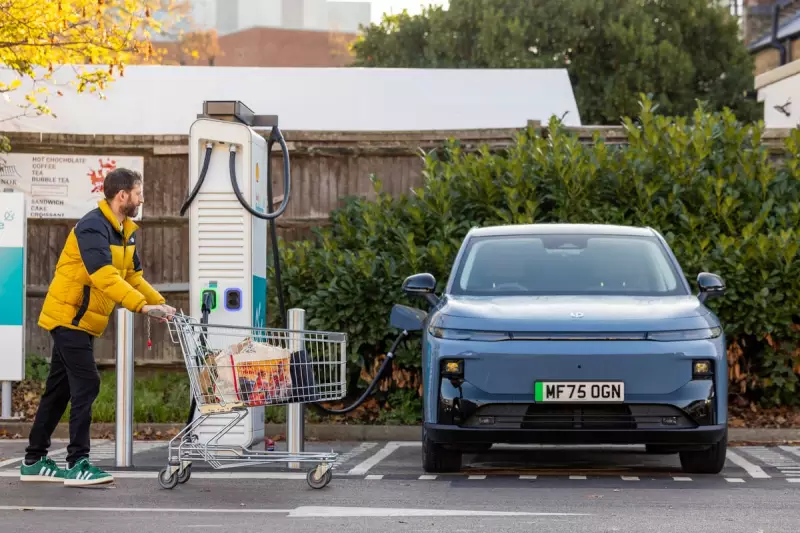
The money saved through these cutbacks is being earmarked for essential needs. Nearly half (45 per cent) plan to save the money to manage rising costs, while 29 per cent will spend it on essentials. The research was commissioned by electric car manufacturer Leapmotor, following the launch of its new B10 SUV.
Damien Dally, UK Managing Director at Leapmotor, commented on the findings, stating: “Money is tight for many and the speculation surrounding the Budget is only making people worry more. Brits are cutting back on ‘luxuries’ and building up a kitty for life’s essentials.”
The study also explored attitudes towards electric vehicles (EVs), finding that news surrounding potential EV fuel duty has made 28 per cent of Brits less likely to buy an electric car. However, 45 per cent said they would consider an EV if the initial and running costs were cheaper than their current fuel expenses.
Here are the top 20 ways Brits have made cutbacks this year:

- Spent less on eating out
- Cut back on takeaway meals
- Reduced online shopping
- Delayed big purchases
- Used cashback or discount apps
- Changed to more affordable supermarkets for food shopping
- Went on less holidays
- Less nights out with friends
- Sold unused items online
- Less days out with friends
- Made packed lunches instead of buying out
- Less days out with family
- Less nights out with partner
- Shop in charity shops more often
- Less nights out with family
- Cancelled TV subscriptions
- Bought more second hand clothes than new
- Went on smaller / more affordable / shorter holidays
- Shopped during sales only
- Switched to cheaper mobile phone plan