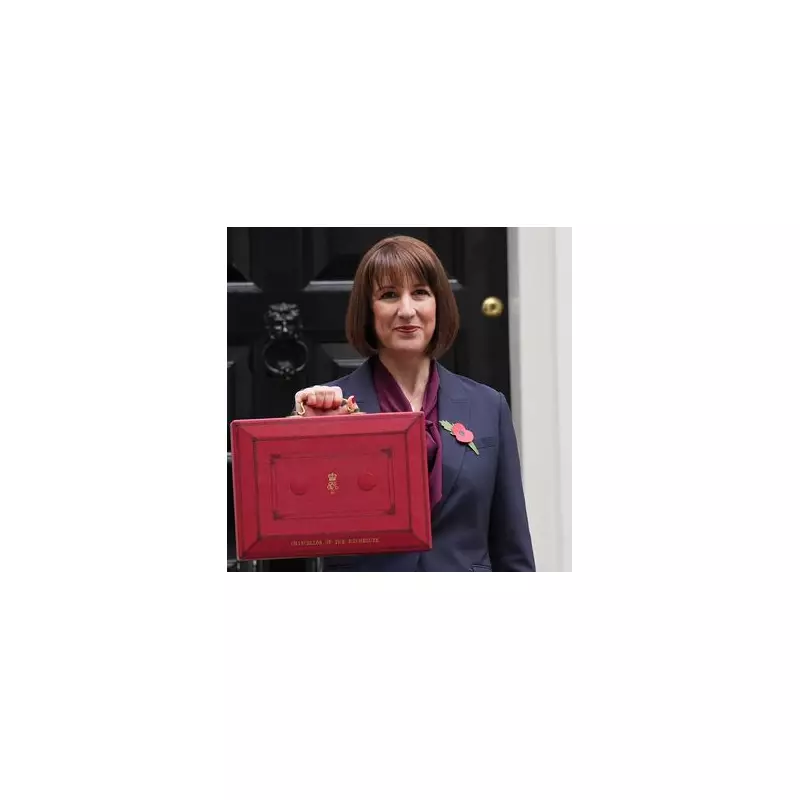
Chancellor's Autumn Budget Targets Savers' Tax-Free Allowance
Chancellor Rachel Reeves is poised to deliver a significant blow to millions of savers in the UK by announcing a substantial reduction to the cash ISA tax-free allowance in the Autumn Budget tomorrow, Wednesday, November 26. The current annual allowance of £20,000 is expected to be slashed to as low as £12,000, with some reports suggesting it could even fall to £10,000.
Industry Experts Warn of Negative Consequences
Financial experts have reacted with alarm to the proposed changes. Victor Trokoudes, founder and CEO of Plum, confirmed the reports, stating that the plan to reform cash ISAs will proceed. He issued a stark warning, saying that "many savers will be pushed into paying tax on their savings as a result of this change."
The concerns extend beyond individual savers. A report presented to the Treasury Select Committee cautioned the Chancellor that this move could damage the UK's investment culture and have other severe repercussions. Building societies, which rely heavily on cash ISA savings to fund mortgage lending, are expected to be hit hard.

The report elaborated that a reduced allowance would lead to "a less competitive market for financial products and consequently higher prices for consumers." This sentiment was echoed by Adam Craggs, a partner and head of Tax at Investigations and Financial Crime, who highlighted the risk to the housing market. He stated that building societies' deposit bases would be weakened, limiting their ability to fund mortgages.
Political Fallout and Criticism
The proposed cut is also facing political scrutiny. Adam Craggs added that the policy "risks being viewed as unfair or poorly targeted—more akin to a stealth tax than a measure to encourage investment." This perspective is shared by various MPs and consumer advocates who are questioning the logic behind the reduction, suggesting it may cause more harm than good to the UK's financial health and could disproportionately affect those relying on savings for financial security.