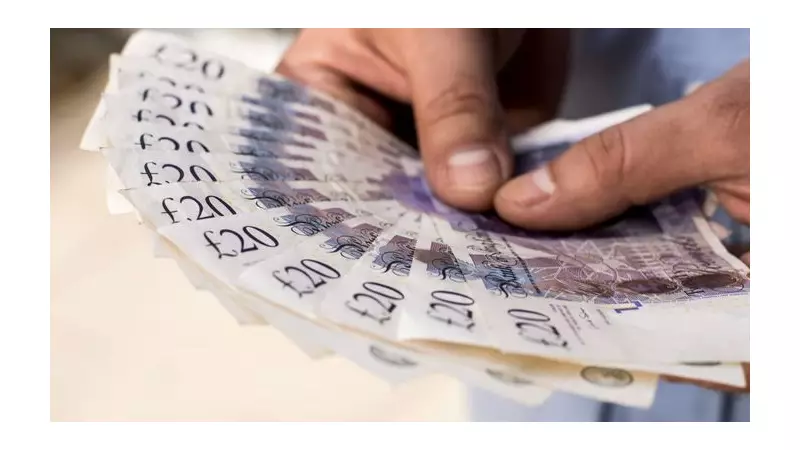
As the festive season approaches, a simple financial check could unlock a significant windfall for many pensioners across the UK. New data reveals that emergency tax codes are causing widespread overpayments, with HM Revenue and Customs (HMRC) sitting on millions in refunds due back to savers.
The Scale of Pension Tax Overpayments
Between July and September this year, HMRC refunded a staggering £48.6 million to individuals who had been overtaxed on their pension withdrawals. The average repayment during this period stood at an impressive £3,539, a sum that could provide a substantial boost to household budgets. Industry experts warn that many older people remain unaware they are owed money, often because large, one-off pension withdrawals are automatically taxed at an emergency rate.
For those aged 55 or over with a defined contribution or personal pension, the rules allow the first 25% of a withdrawal to be taken tax-free. Any amount beyond this is taxed as income. However, the system frequently applies an emergency tax code to initial lump sums, leading to excessive deductions that must later be reclaimed.

How to Spot an Emergency Tax Code
Identifying if you have been affected is straightforward. You should look for a tax code ending in 'M1' or 'Month 1', which signals that emergency tax has been applied. This code can be found on your payslip, a tax code notice from HMRC, or by using the official HMRC app or website.
Clare Moffat, a pension specialist at Royal London, highlighted the impact: “Not only do these taxes usually come as a massive shock, the unexpected tax amount can also scupper people's carefully laid plans.” Her firm reported that some savers reclaimed over £100,000 in emergency tax during the 2023/24 tax year alone.
Upcoming System Changes and Current Workarounds
Recognising the persistent issue, HMRC is implementing a reform. From April 2025, the process will change so that tax codes are automatically updated for individuals newly receiving a private pension. The goal, as confirmed in HMRC's Pensions Schemes Newsletter on January 23, is to ensure people are taxed the correct amount over the course of the year and reduce overpayments.
However, experts caution that problems will persist for those taking one-off withdrawals. Tom Selby, head of public policy at AJ Bell, advises a practical workaround: “Take a small initial withdrawal to activate the correct tax code before requesting larger sums. This should mean HMRC is able to apply the correct tax code to the second, larger withdrawal.”
Jon Greer, head of retirement policy at Quilter, points to a systemic flaw: “The PAYE system was built for regular employment income, not one-off pension withdrawals, and it continues to cause unnecessary complexity for retirees.” He also notes that frozen tax allowances and rising state pensions are dragging more people into the tax net, making over-deductions more common and more frustrating.
Steps to Claim Your Money Back
If you believe you have overpaid, you can claim a refund online via the Government’s tax portal, which is the fastest method. You will need to complete one of three forms, depending on your circumstances:
- Form P55: Use this if you have not fully withdrawn your pension pot and are not taking regular payments.
- Form P53Z: For those who have taken their entire pension but still have other taxable income.
- Form P50Z: If you have withdrawn your full pension and have no other taxable income.
HMRC has stated: “Ultimately, nobody overpays tax as a result of taking advantage of pension flexibility. We will repay anyone who pays too much because they're on an emergency tax code.” The onus, however, often remains on the individual to initiate the claim and navigate the process to recover their hard-earned cash.