Halifax has confirmed it will close another 14 of its bank branches across the UK next year, as the shift towards digital banking continues to reshape the high street.
The Changing Face of Banking
A spokesperson for Lloyds Banking Group, which owns Halifax, stated that the decision reflects how customer habits have evolved. Over 21 million customers now use banking apps to manage their money, leading to a reduced need for physical locations.
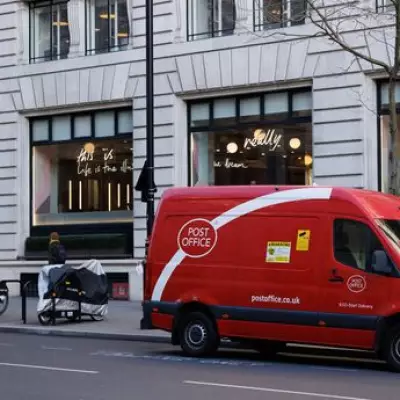
"We’re providing more choice than ever before, bringing together the best in digital convenience with our people," the spokesperson said. They emphasised that customers can still access services through the Post Office, banking hubs, any Lloyds or Bank of Scotland branch, and can deposit cash at more than 30,000 PayPoint locations.

Locations Facing Closure
The closures will take place throughout 2026, affecting communities from London to Yorkshire. Notably, Birmingham is set to lose its Bearwood branch on March 2, 2026, marking another reduction in the city's physical banking network.
The full list of Halifax branches scheduled for closure is:
- Birmingham Bearwood – March 2, 2026
- Buxton – Spring Gardens – October 13, 2026
- Camborne – October 7, 2026
- Deal – January 22, 2026
- Hastings – January 22, 2026
- Havant – January 1, 2026
- Horsforth – February 2, 2026
- Middleton – January 8, 2026
- Nelson – March 4, 2026
- Peterlee – March 3, 2026
- Seaford – January 1, 2026
- Skipton – January 26, 2026
- Wandsworth, London – January 15, 2026
- Yeovil – January 12, 2026
What This Means for Customers
This latest round of closures is part of a long-term trend within the banking sector. While the group highlights alternative access points, the loss of a local branch can significantly impact elderly residents, small businesses, and those less comfortable with digital technology. The announcement underscores the accelerating transition towards app-based and remote banking services, leaving communities to adapt to the new financial landscape.