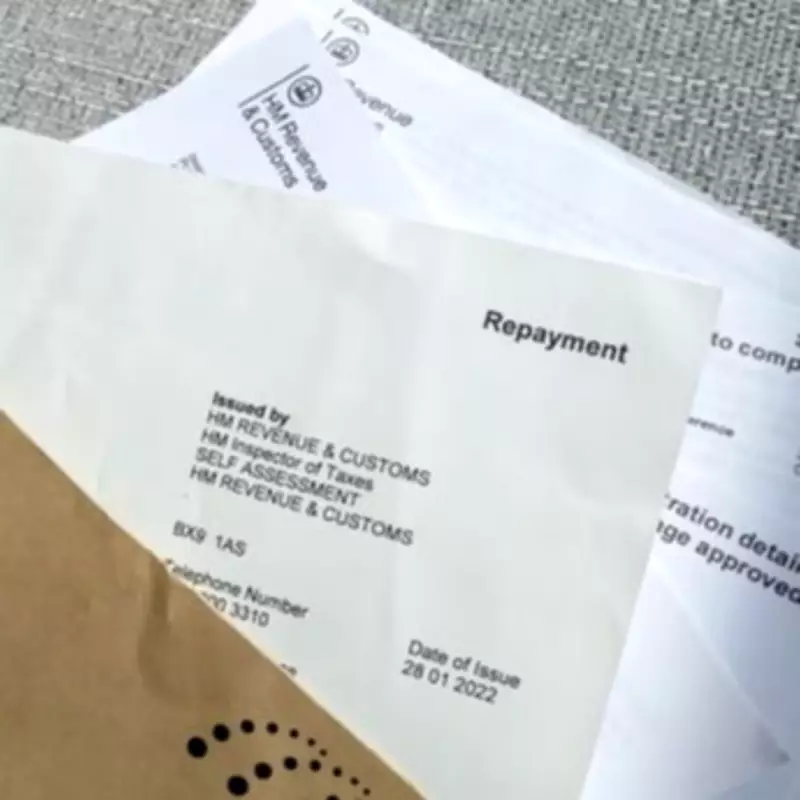
Over 1.3 million people across the UK have been issued with the so-called 'dreaded' brown envelopes from HM Revenue and Customs (HMRC), demanding payment for outstanding tax liabilities. This marks a significant surge from the 675,000 individuals who received similar letters between 2021 and 2022, highlighting a growing trend in tax collection efforts.
Driving Factors Behind the Surge
Experts attribute this sharp increase to a combination of frozen income tax thresholds and the rising state pension, which have pushed more individuals into tax brackets requiring additional payments. The Labour Party's tax arm conducts simple assessments for those who owe tax on their income but no longer have a PAYE code that deducts tax at source, leading to these direct demands.
Expert Insights on the Impact
Steve Webb, a former pensions minister and current partner at the consultancy LCP, commented on the situation. He stated, "The continued freezing of the income tax personal allowance means that the numbers getting unwelcome end-of-year tax demands have soared." Mr Webb, who served under the former Liberal Democrats and Conservative Party coalition government, added, "Many of these people will be pensioners whose only income is the state pension, and they now get an annual tax demand, with the amounts growing each year."

While most UK taxpayers have their taxes automatically deducted from wages or pensions, millions are required to file self-assessment tax returns. Mr Webb further noted, "Although the government has indicated it may address this issue for a subset of pensioners from 2027, a much wider-ranging solution is needed."
Understanding Self-Assessment and Payments
Once a self-assessment tax return is submitted, individuals receive a statement summarising what they owe and the payments required. For the current tax year, any remaining tax must be paid by 31 January 2026, known as a 'balancing payment'.
Advance Payments and Financial Advice
Upon entering the self-assessment system with HMRC, taxpayers typically must also make advance payments towards the following year's bill. Money Saving Expert, founded by BBC and ITV star Martin Lewis, explains that these are called 'payments on account' and are calculated based on the previous year's tax liability.
This system ensures that HMRC can manage tax collection efficiently, but it places a burden on those unexpectedly drawn into self-assessment, particularly pensioners and others with fixed incomes.