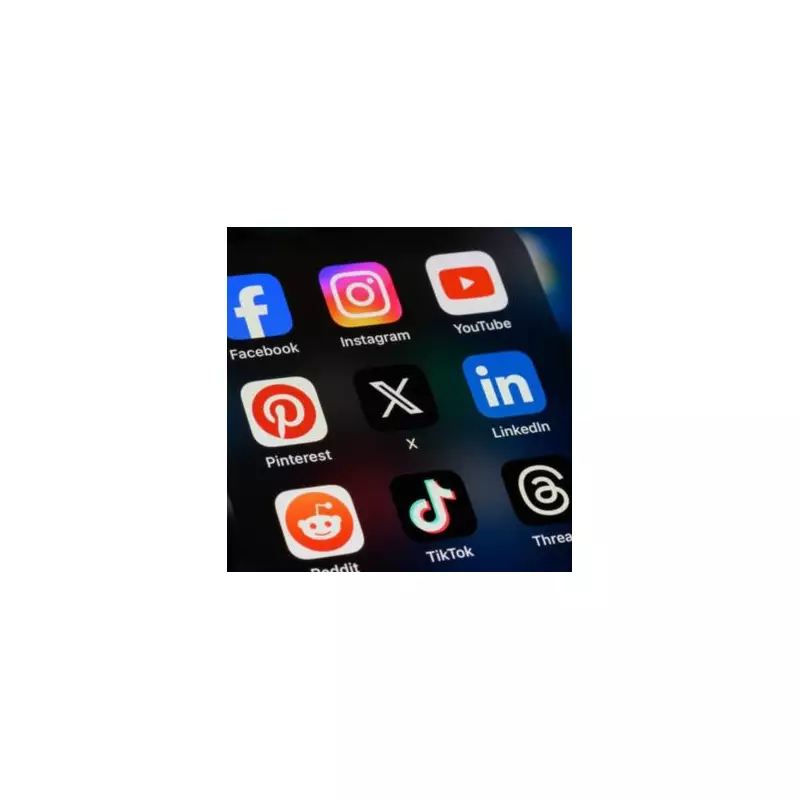
Millions of UK households who use social media platforms are facing increased scrutiny from the tax authority, with experts warning of potential unexpected fines. His Majesty's Revenue and Customs (HMRC) is intensifying its monitoring of how individuals earn and promote content online, focusing on self-employed workers, influencers, and content creators.
When is a free gift considered taxable income?
Lee Murphy, Managing Director of The Accountancy Partnership, has issued a clear warning to those earning through social media. He explains the critical distinction between a genuine gift and a taxable payment. "If you receive something for free and the brand doesn’t expect anything in return, it’s not taxable," Murphy stated. He compared this scenario to receiving a present from a relative, given out of affection rather than in exchange for promotion.
The situation changes dramatically when an agreement is involved. "If there’s an agreement that the creator will post the product or service on their social media to advertise it, then the value of the item or service is classed as income and must be declared to HMRC," Murphy clarified. This type of arrangement is considered a form of payment, even if no money changes hands.

How to correctly declare your income and expenses
Murphy provided specific guidance on valuation, noting that HMRC expects influencers to declare the normal retail price of the item or service received. For instance, if you are given a £100 meal for free in exchange for a review, you must declare £100 as income. This rule applies even if the product was on sale or offered at a discount; the standard market value must be reported.
There is, however, some relief for business-related expenditures. "If you incur costs to create the content, such as editing software, or transport to get to a restaurant or airport, then these may be deducted as a business expense to reduce your tax bill," Murphy advised. This can help offset the taxable amount for creators who invest their own resources into producing content.
The serious consequences of non-compliance
Murphy emphasised that what often begins as a hobby can quickly cross into business territory. "Even if the accounts start as hobbies, if you receive any type of gifted product in exchange for posting about it, then you need to treat it as income," he warned. The key factor is the expectation of promotion from the brand providing the goods or services.
The final warning from tax professionals is stark. "It’s better to be honest with HMRC as the fines could outweigh what the gifted products would’ve been worth," Murphy concluded. With HMRC now keeping a closer watch on digital earnings, transparency is the safest strategy to avoid punitive financial penalties that could far exceed the value of any undeclared items.