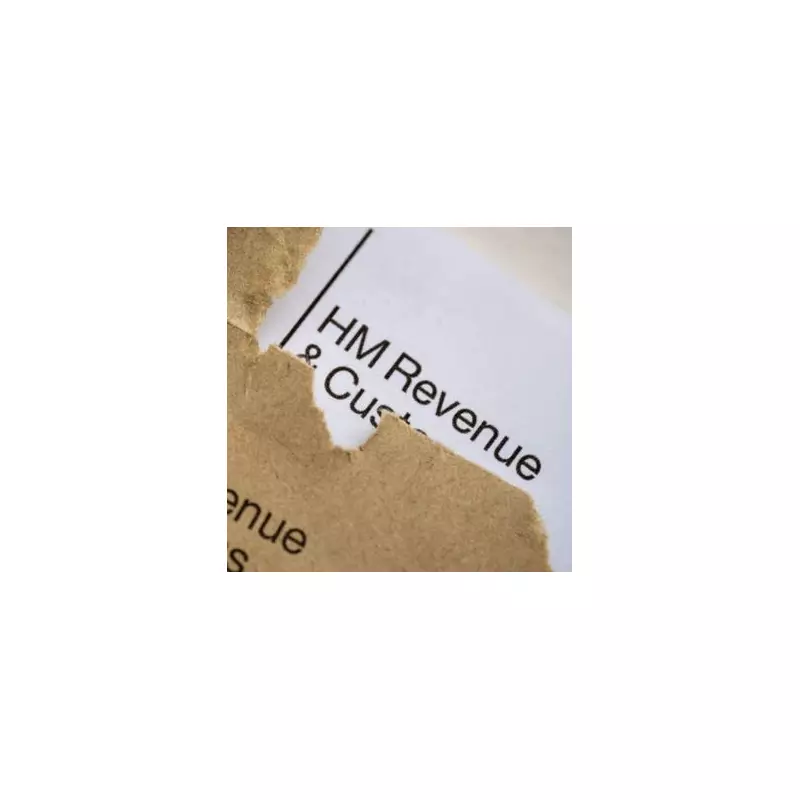
HM Revenue and Customs (HMRC) has issued a stark warning to millions of UK households, particularly those who work for themselves, as the self-assessment tax deadline rapidly approaches. The tax authority is expecting returns from over 12 million people for the 2024/25 tax year.
Who Must File a Tax Return by 31 January?
With the deadline of 31 January 2026 looming, HMRC data reveals that nearly half of the expected returns are still outstanding. Financial experts are urging specific groups to act immediately to avoid penalties. According to Charlene Young, a pensions and savings expert at investment platform AJ Bell, several key groups are obligated to file.
These include individuals who earned more than £1,000 from self-employment or side hustles, even if they have another full-time job. Others who must submit a return are those who needed to pay Capital Gains Tax on profits from selling assets, anyone liable for the High Income Child Benefit Charge not collected through PAYE, and partners in a business partnership.

"Even if none the above apply to you, you might still have to file if you’ve received more than £10,000 from savings and investments in the tax year," Ms Young added.
The Cost of Missing the Deadline
The consequences of filing or paying late are severe and financially punitive. HMRC will begin charging daily interest on any unpaid tax from 1 February 2026. The current interest rate set by HMRC is a substantial 7.75%, effective from 9 January 2026.
Ms Young emphasised the dual requirement: "And finally, don’t forget to pay on time too. Whenever you filed (or plan to), make sure you’ve paid what you owe by midnight on 31 January 2026." Failure to pay can also lead to additional surcharges on top of the interest if the bill remains unpaid for months.
Options for Those Struggling to Pay
For taxpayers concerned about settling their bill, HMRC does offer solutions. Individuals who owe £30,000 or less may be able to set up an online payment plan to spread the cost. Furthermore, if your income is expected to be significantly lower in the coming year, you can apply to reduce your payments on account for the 2025/26 tax year, thereby lowering your upcoming tax instalments.
The message from HMRC and financial advisors is clear: with the deadline now just days away, checking your obligations and acting swiftly is crucial to avoid an unwelcome and expensive start to the new year.