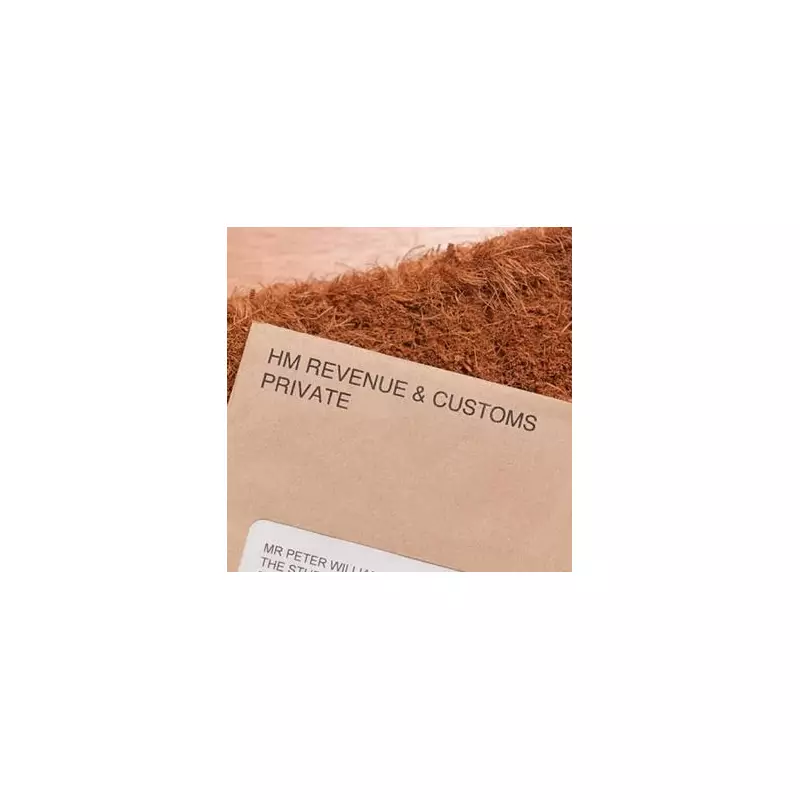
Hundreds of thousands of UK households with money in savings accounts are being warned they could soon receive a letter from the tax authority. HM Revenue and Customs (HMRC) has begun a major review targeting untaxed interest earned on savings.
Who is Likely to Receive a Letter?
According to personal finance expert Grant Hamill from Companion Accountancy, HMRC is contacting nearly 900,000 people who hold more than £3,500 in their bank accounts. The letters are part of a compliance drive to ensure savings interest is correctly reported and taxed.
"If you receive a letter from HMRC, there’s no need to be alarmed," Hamill advised. "However, it’s important to understand why they’re reaching out, and what steps to take next to ensure you remain compliant with tax rules."

Understanding Your Personal Savings Allowance
The key factor is your Personal Savings Allowance (PSA). This is the amount of interest you can earn on your savings each year without paying any tax on it.
- If your annual income is less than £50,270, your PSA is £1,000.
- If you earn between £50,271 and £125,140, your PSA is reduced to £500.
- If your income is £125,141 or more, your PSA is £0.
If the interest you earn exceeds your allowance, you must pay tax on the excess at your usual income tax rate. For many people, £3,500 in a high-interest account could generate enough interest to breach the £500 allowance, potentially triggering a tax liability.
What to Do If You Get a Letter
HMRC states these letters are not an accusation or penalty, but a request for clarification. They serve as a reminder that individuals are responsible for reporting all taxable income, which includes interest from savings.
"For many people who are not usually required to complete a tax return, this could come as a surprise," noted Hamill. "But if you’ve received untaxed interest above your PSA, you may be required to register for Self Assessment to declare it."
If you are employed or receive a pension, HMRC will typically adjust your tax code to collect the owed tax automatically. Others may need to complete a Self Assessment tax return. The letters are expected to prompt recipients to check their records and ensure everything is correctly declared.
Experts urge savers to proactively check their interest earnings against their PSA to avoid an unexpected tax bill. Keeping records of interest paid by banks and building societies is crucial for accurate reporting.