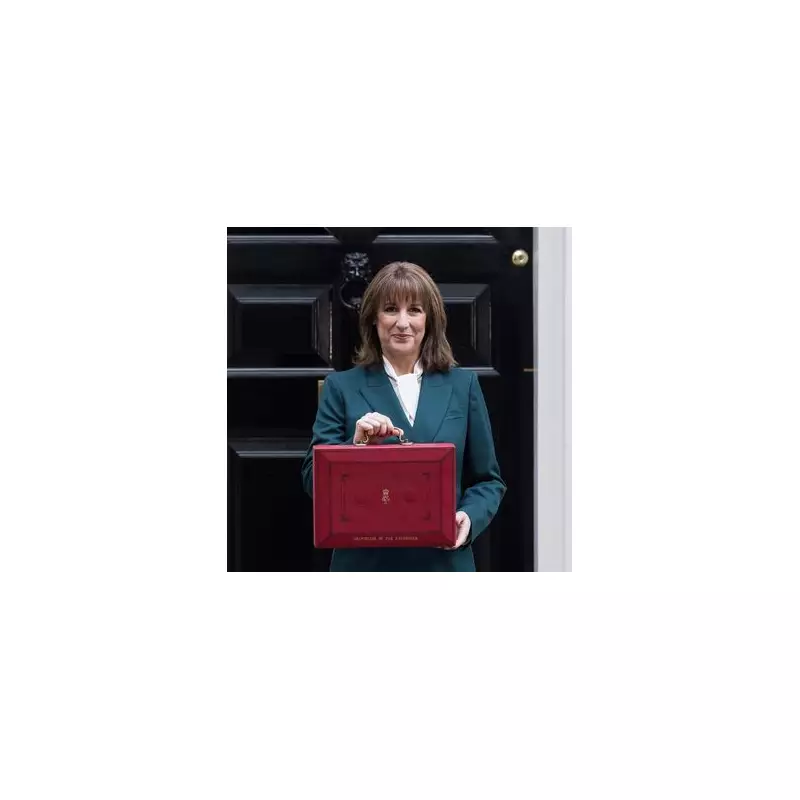
Chancellor Rachel Reeves has unveiled significant changes to inheritance tax rules in the Labour government's second Autumn Budget, sparking concerns for pension holders and unmarried couples across the UK.
Pension Rule Changes Create Administrative Headache
The Budget confirmed a crucial adjustment to how pensions are treated for inheritance tax purposes, scheduled to take effect from April 2027. Under the new system, estate administrators will be required to ask pension providers to withhold 50 per cent of retirement savings for up to 15 months to cover potential tax liabilities.
Rachel Vahey, head of public policy at investment platform AJ Bell, warned that while this measure provides representatives with the power to secure funds for HMRC, it creates substantial practical challenges. "It doesn't get away from the hard cold truth that bringing pensions into the net of IHT is going to lead to some administrative nightmares for those responsible for winding up the affairs of loved ones," she stated.

Unmarried Couples Face Inheritance Crisis
In a separate but related concern, financial experts have highlighted the continued vulnerability of unmarried or unregistered couples under current intestacy rules. Regardless of how long they have lived together, these couples have no automatic inheritance rights when a partner dies without a will.
Ben Glassman, financial planning partner at wealth management firm Evelyn Partners, explained the severe consequences this can have. "If a partner is left a share of their jointly owned house that far exceeds this value, they could end up having to sell it to pay the tax – an unwelcome prospect at a time of bereavement," he said.
The contrast with married couples is stark. Glassman noted that married couples and civil partners can transfer assets like cash, investments and property between them completely free of inheritance tax liabilities, creating valuable tax planning opportunities.
Why Writing a Will Matters More Than Ever
Statistics reveal a worrying gap in financial planning between married and cohabiting couples. While more than half of married couples have prepared a will, the figure drops to just 26 per cent among unmarried partners.
Although cohabiting partners who have lived together for more than two years do have the legal right to claim against their partner's estate, this process can be protracted, stressful and expensive, particularly if blood relatives make competing claims under intestacy rules.
Financial advisors strongly recommend that unmarried couples consider formalising their arrangements through wills to avoid potential financial hardship and ensure their wishes are respected.