Lloyds Banking Group has announced plans to close a further 40 of its branches across the United Kingdom in 2026. The move continues a trend of high street bank retrenchment, driven by what the bank describes as a profound and lasting change in how customers manage their money.
The Reason Behind the Closures
The primary catalyst for the closures is the rapid adoption of digital banking services. A spokesperson for Lloyds Banking Group pointed out that more than 21 million customers now regularly use the group's mobile apps for their everyday banking needs. This significant shift in behaviour has reduced footfall in traditional brick-and-mortar branches, making many locations unsustainable.
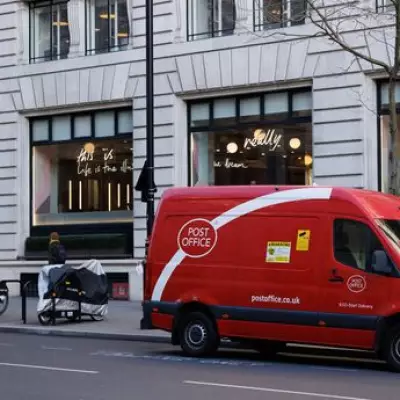
The bank emphasised that it is responding by offering a broader range of alternatives. Customers will still be able to conduct their banking in person through a combination of remaining Lloyds, Halifax, and Bank of Scotland branches, the extensive Post Office network, and the growing number of shared banking hubs. For cash deposits, over 30,000 PayPoint locations will be available.

Full List of Branches Closing in 2026
The closures will be staggered throughout the year, beginning in January. One notable closure is the Harborne branch in Birmingham, which is scheduled to shut its doors on October 8, 2026. This continues a pattern of bank branch reductions in the city and across the West Midlands.
The complete list of Lloyds Bank branches set for closure in 2026 is as follows:
- Alfreton - January 1, 2026
- Ammanford - January 12, 2026
- Bideford - January 13, 2026
- Birmingham, Harborne - October 8, 2026
- Brigg - March 5, 2026
- Camborne - October 7, 2026
- Caterham - March 3, 2026
- Chepstow - October 7, 2026
- Chester-le-Street - January 14, 2026
- Deal - October 10, 2026
- Fleet - January 13, 2026
- Gillingam, Dorset - January 8, 2026
- Glossop - March 9, 2026
- Gorseinon - October 10, 2026
- Havant - January 1, 2026
- Hedge End - January 21, 2026
- Hedon - January 28, 2026
- Houghton le Spring - March 10, 2026
- Hucknall - March 4, 2026
- Ivybridge - January 14, 2026
- Lewes - January 19, 2026
- Liverpool Breck Road - March 4, 2026
- Manchester Moston - March 11, 2026
- Mitcham - January 8, 2026
- New Addington - January 1, 2026
- Okehampton - March 25, 2026
- Penzance - January 21, 2026
- Peterlee Yoden Way - March 3, 2026
- Petersfield - January 21, 2026
- Ryde - October 7, 2026
- Seaton - March 11, 2026
- Sleaford - March 13, 2026
- Stamford - October 13, 2026
- Stoke-on-Trent - October 30, 2026
- Swadlincote - January 20, 2026
- Thornbury Avon - February 2, 2026
- Totnes - January 8, 2026
- Totton - October 12, 2026
- Tunstall - March 9, 2026
- Wymondham - March 13, 2026
Implications for Local Communities
While the bank stresses its commitment to providing alternative access, the closure of 40 branches will inevitably impact local communities, particularly those with older residents or small businesses that rely on face-to-face banking services. The announcement is likely to reignite debates about financial inclusion and the decline of the traditional high street.
The 2026 closures follow a similar pattern of reductions in previous years, underscoring the banking sector's accelerated pivot towards digital-first operations. Customers of the affected branches are advised to familiarise themselves with the alternative services listed by the bank well ahead of their local branch's closure date.