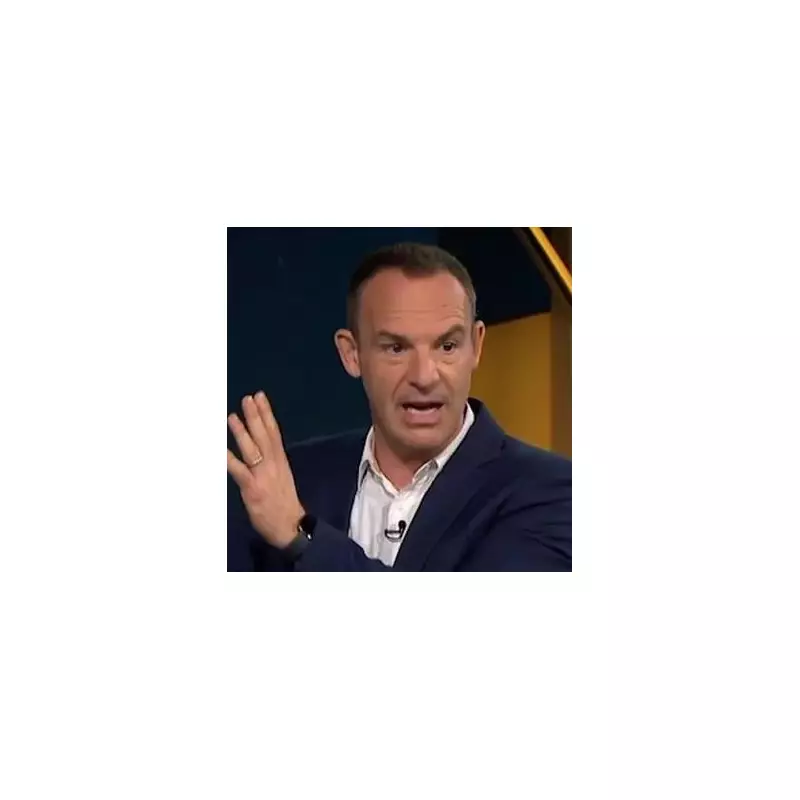
Financial guru Martin Lewis has issued a crucial alert to retirees, warning that millions receiving the state pension could soon find themselves paying income tax for the first time.
The Tax Implications of Returning to Work
This urgent warning was delivered during the Christmas special of The Martin Lewis Money Show Live on ITV on November 18. The issue was raised by a 67-year-old viewer concerned about the tax implications of taking a part-time job to cope with the high cost of living.
The audience member asked: "Even though my state pension is less than £12,000 a year, would I still pay tax on it, especially with the budget coming?"

Why the State Pension is Becoming Taxable
Martin Lewis provided a clear explanation, confirming that the state pension has always been considered taxable income. However, most pensioners currently avoid paying tax because the full new state pension of £11,900 falls below the Personal Allowance threshold of £12,570.
The situation is set to change dramatically due to a perfect storm of factors. In April, the state pension will increase to approximately £12,500, still just below the tax-free allowance. But the following year, frozen tax thresholds combined with rising pension values will likely push those receiving the full new state pension over the limit for the first time.
Lewis emphasised that the freeze on tax thresholds is "likely to be extended for another couple of years," making this tax liability inevitable for many.
How Working in Retirement Affects Your Tax Bill
For pensioners considering returning to work, Lewis offered straightforward advice. "If you're doing any form of work you're going to go over that personal allowance and you will pay tax on your total income, your state pension plus other earnings," he stated.
However, he provided crucial reassurance about how the tax system actually works. "You don't pay tax on the whole of that, you only pay tax on the amount above the Personal Allowance," Lewis explained.
He illustrated this with a clear example: if your total income from state pension and work reaches £15,000, you would pay 20% tax only on the £2,430 above the £12,570 threshold - approximately £486 in tax.
Lewis delivered a powerful final message to counter any hesitation about working due to tax concerns: "The more you earn, the more you take home. Yes tax comes off, but it's never worth not working because of tax. You'll always earn more the more you get paid."
His advice for pensioners struggling financially was unequivocal: if you need more money, working more will always leave you better off, even after accounting for tax.