In a significant development for the UK banking sector, NatWest has confirmed plans to close an additional 32 branches across the country. The bank described the decision as a "difficult" one, taken after careful consideration of evolving customer banking habits and the increasing shift towards online and digital services.
Reflecting Changing Customer Demand
A spokesperson for NatWest emphasised that the branch network remains a central component of their customer service strategy. They stated, "Our branch network is a central part of how we serve customers, and we continue to invest in this for the future, with an increase in our investment into branches planned over the next three years."
However, the spokesperson highlighted the undeniable trend in customer behaviour, noting, "How our customers choose to bank with us is changing, and our network and services need to reflect customer demand and ensure we are set up to deliver the best possible support."

Alternative Banking Provisions
NatWest has outlined several alternative methods to maintain customer access to banking services following these closures. These include:
- Unique mobile branch services that travel to communities.
- Participation in Community Banking Hubs, shared facilities with other banks.
- Partnerships with the Post Office for basic banking transactions.
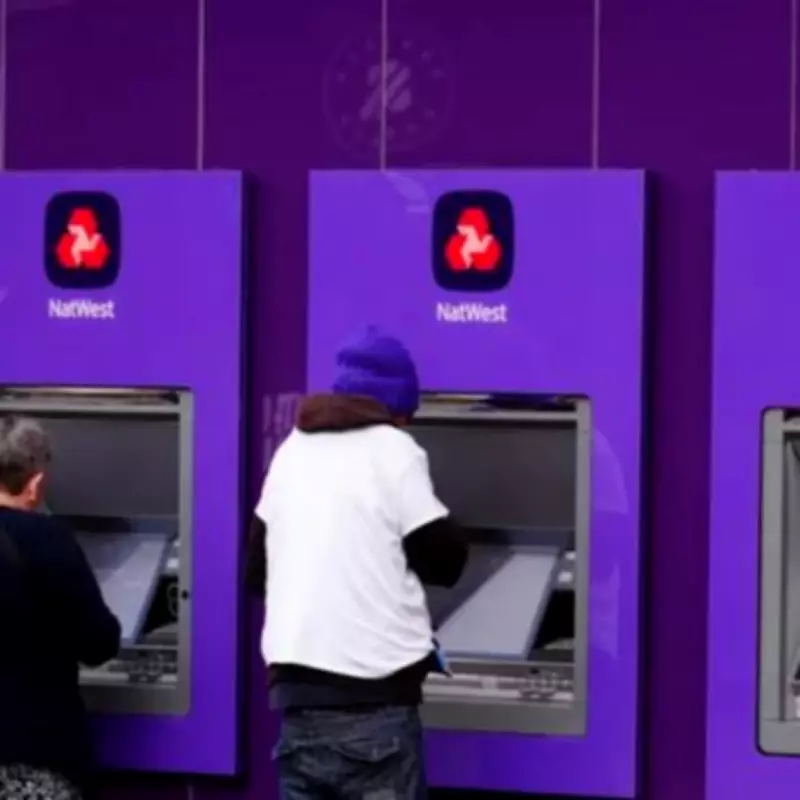
- Maintaining what they claim is the largest free-to-use ATM network of any UK bank.
The bank asserts that these measures are designed to "provide customers with access to banking in ways that best suit their needs." They also stressed that each closure decision is carefully assessed to "minimise the impact any change may have on our customers and colleagues."
Full List of Affected Branches
The 32 branches slated for closure are spread across England, from the South East to the North. The complete list is as follows:
- Aldershot
- Ashford (Middlesex)
- Barnet
- Boston
- Brentwood
- Eastcote
- Godalming
- Grays
- Halifax
- Harlow
- Hartlepool
- Hemel Hempstead
- Herne Bay
- Hornchurch
- Hove
- Kirkby Lonsdale
- London – Fulham Broadway
- London – Spitalfields
- London – Sydenham
- London – Tooting
- London – West End
- Loughton – Old Station Road – Sainsburys
- Manchester – Cheetham Hill
- Manchester – Chorlton
- Orpington
- Palmers Green
- Pontefract
- Sheffield – Attercliffe – Attercliffe Road
- South Shields
- Southall
- Waltham Cross
- Welwyn Garden City
Broader Context in UK Banking
This announcement comes amidst a period of ongoing transformation within the UK banking industry. Notably, it follows recent leadership changes at competitor HSBC, which appointed former NatWest executive David Lindberg as the new head of its UK business. Lindberg will succeed Ian Stuart, who is moving into a new role as group customer and culture director.
This appointment at HSBC, under the leadership of chief executive Georges Elhedery, represents the latest in a series of strategic shifts as banks adapt to a rapidly changing financial landscape. The closure of physical branches by NatWest is a clear indicator of this wider industry trend, where institutions are reallocating resources to meet the demands of an increasingly digital-first customer base.