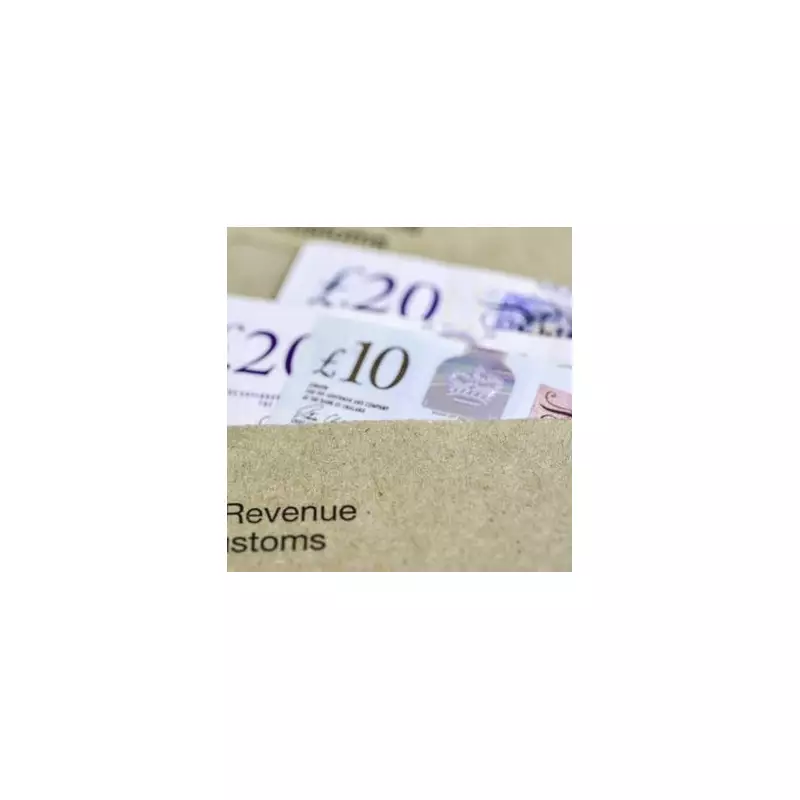
HM Revenue and Customs (HMRC) has issued an urgent warning to self-employed individuals and other taxpayers across the UK, marking a critical 100-day countdown to the Self Assessment deadline.
The January 31 Deadline is Approaching
The government body has confirmed that the final date for filing your 2024-25 tax return is January 31, 2026. With the deadline now firmly in sight, HMRC is strongly advising people not to leave their submission to the last minute. Completing the process early can help avoid potential complications and unexpected tax bills.
On the social media platform X, HMRC posted a clear reminder: "There are 100 days to go until the #SelfAssessment deadline. Watch our video below to hear how getting ahead and filing your tax return early could help you."

Penalties for Late Filing Can Escalate Rapidly
Myrtle Lloyd, HMRC’s Chief Customer Officer, emphasised the importance of starting now. "With 100 days to the Self Assessment deadline, now is the time to get started," she stated. "Completing your return now means you know how much tax you need to pay ahead of the deadline. We are here to help with lots of help and advice, just search 'file a tax return' on GOV.UK to find out more."
Failing to meet the deadline triggers an automatic financial penalty. The initial charge is a fixed £100 fine, which is applied immediately for a late return. However, the penalties do not stop there and can increase significantly if the return remains outstanding.
If your tax return is more than three months late, you will face additional daily penalties of £10 per day, which can accumulate to a maximum of £900. After six months, a further penalty of 5% of the tax owed or £300 is applied, whichever is greater. Once a full year has passed, another 5% or £300 charge is added.
HMRC stresses that all of these fees are entirely avoidable by simply submitting your Self Assessment tax return on time.
How to File Your Return and What You'll Need
The vast majority of taxpayers – 97% – now file their returns online, a method HMRC actively promotes for its convenience. A key advantage of the online system is that it does not need to be completed in one session; you can save your progress and return to it later.
To make the process as smooth as possible, ensure you have the necessary documents to hand. HMRC guidance suggests you may need:
- P45 or P60 forms
- Bank and building society statements
- Records of business income and expenses
- Dividend vouchers
- Payslips or a P2 coding notice
- Certificates for personal pension contributions
By gathering these documents early and filing your return ahead of the January 31 rush, you can ensure you meet your obligations and avoid any unnecessary financial penalties.