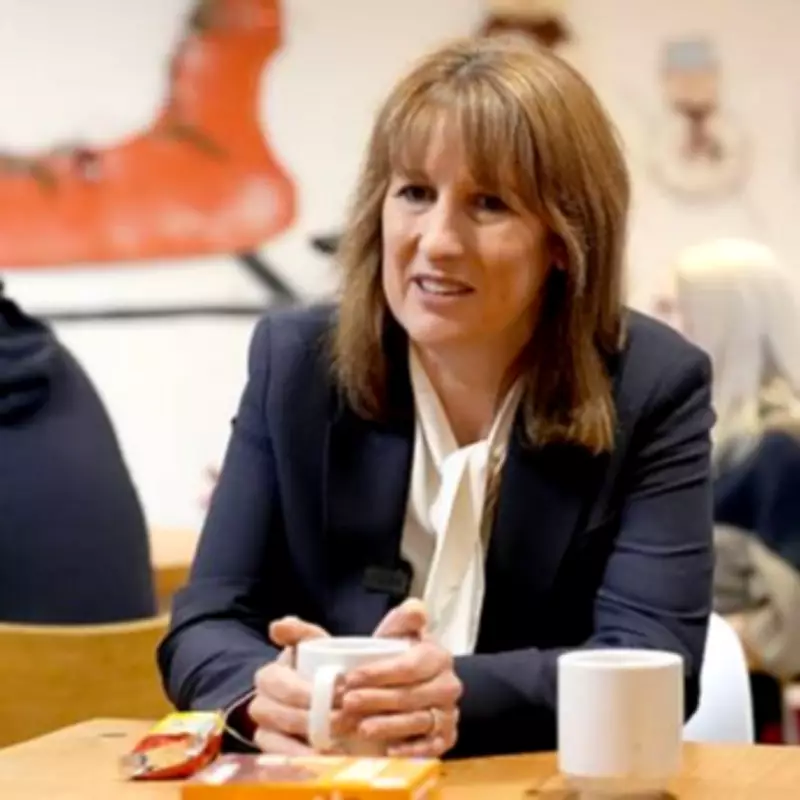
Chancellor Rachel Reeves has officially confirmed the upcoming changes to state pension payments for the 2026/27 financial year, bringing welcome news for millions of retirees across the United Kingdom. However, the increases will not be uniform, with significant variations depending on which version of the state pension individuals receive.
Dual System Creates Disparity in Pension Uplifts
The confirmation from the Chancellor highlights the ongoing complexity of the UK's two-tier state pension system. This structure means that not all over-65s will benefit from the same financial boost when the new rates take effect from the start of April 2026.
Under the announced changes, retirees who qualify for the new full state pension—introduced in 2016 for those reaching retirement age since then—will see their annual payment increase by £575. This substantial rise will elevate the yearly amount to £12,547, providing a significant injection of funds for household budgets.

Basic Pension Receives Smaller Increase
In contrast, older pensioners who remain on the basic state pension—typically men born before April 1951 and women born before April 1953—will receive a more modest increase of £440. This adjustment will bring their total annual pension to £9,615, creating a noticeable and widening gap between the two pension tiers.
The differential increases are directly attributable to the mechanics of the state pension triple lock, a government policy that guarantees pensions rise by the highest of three measures: inflation, average earnings growth, or 2.5%. While this mechanism ensures pension values are protected, it also systematically increases the disparity between the basic and new state pensions each year.
Triple Lock Faces Scrutiny Amid Rising Costs
These latest payment increases arrive amidst growing national discussion about the long-term sustainability of the triple lock system. Pension experts have raised concerns about the escalating financial burden this policy places on government resources.
Specialists at Spencer Churchill Claims Advice commented on the situation, stating: "This increase will be very welcome for millions of pensioners who are finding it increasingly difficult to keep up with rising living costs. However, the policy is becoming significantly more expensive for the Government every year."
The firm further highlighted analysis from the Office for Budget Responsibility, which indicates that the triple lock now costs approximately three times more than originally forecast when the policy was first introduced. This substantial overrun has prompted questions about the system's future viability and fairness.
Additional Support and Systemic Concerns
It is important to note that older retirees on the basic pension may qualify for separate top-up payments through pension credit and other benefits, which can help mitigate the differential. Nevertheless, critics of the current system argue that the arrangement does not always deliver equitable outcomes for all pensioners, particularly those who have contributed to the system for decades under the older rules.
The confirmation of these increases provides clarity for financial planning among the retired population, but also reinforces the ongoing debate about pension reform. As living costs continue to challenge household finances, the role and structure of state pension support remains a critical topic for policymakers and the public alike.