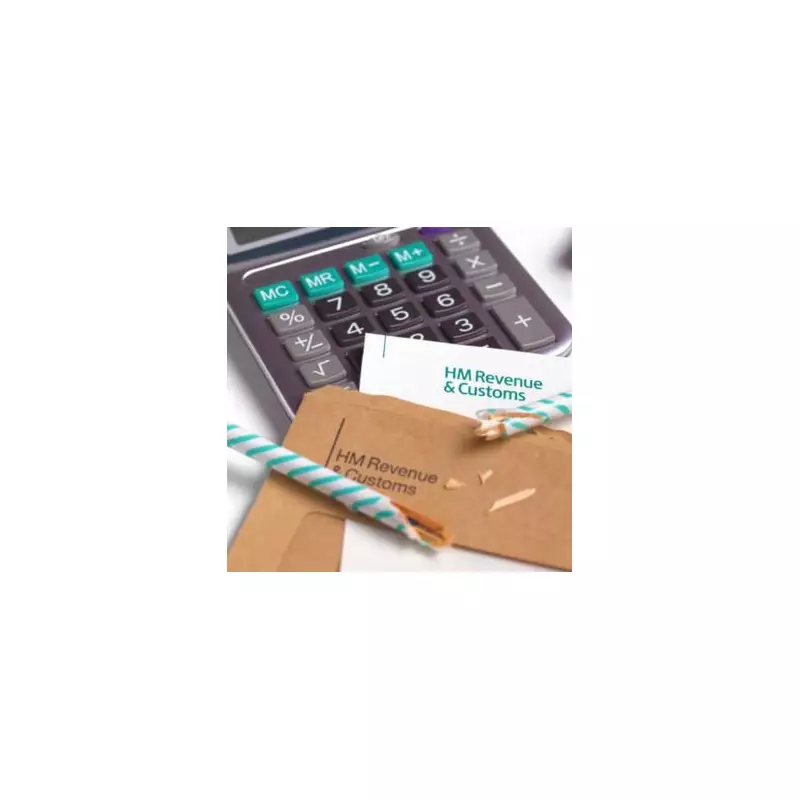
Millions of UK households are facing a significant financial hit as a key tax policy continues from Wednesday, effectively reducing their personal tax allowance by £2,980.
The Impact of the Frozen Personal Allowance
Starting from the Labour Party's Autumn Budget, the policy of freezing the Personal Tax Allowance will persist. The amount of Income Tax you pay each year is directly determined by how much of your income exceeds your Personal Allowance and which tax band it falls into.
The current tax year, running from 6 April 2025 to 5 April 2026, sees the allowance remain at £12,570, where it has been stuck since 2021. However, a stark analysis from NimbleFins reveals that if the allowance had kept pace with inflation since 2010, it would now stand at £15,550.

This creates a gap of £2,980, representing the amount by which the real value of the tax-free allowance has been eroded for UK workers.
A 'Tax Rise by Another Name'
Erin Yurday, CEO and founder of NimbleFins, explained the profound effect of this freeze. "This freeze on income tax thresholds has the same effect as an income tax rise, but without any announcement," she stated.
Yurday emphasised that the policy disproportionately affects those on average incomes. "People on modest salaries are being hit hardest because the frozen personal allowance takes up a larger share of their real income," she added.
"Our analysis shows just how far the personal allowance has fallen behind living costs. It’s a tax rise by another name," Yurday concluded, highlighting the stealthy nature of the fiscal drag.
Understanding Your Tax-Free Allowances
It is crucial for taxpayers to be aware of all the allowances they might be entitled to. The standard Personal Allowance is £12,570, which is the portion of income not subject to tax.
However, this allowance is reduced for higher earners:
- Your personal allowance decreases by £1 for every £2 your adjusted net income is above £100,000.
- If your income is £125,140 or above, your allowance is zero.
Other potential tax-free allowances include:
- Blind Person’s Allowance: An additional tax-free amount added to your Personal Allowance.
- Savings and Dividend Allowances: Tax-free allowances on savings interest and dividend income from shares.
- Trading and Property Allowances: Your first £1,000 of income from self-employment or from renting out property is typically tax-free.
HMRC also notes that eligible individuals may be able to claim various Income Tax reliefs to further reduce their liability.