A Birmingham pub landlord has issued a heartfelt Christmas message, urging the public to support their local as venues face an existential threat from soaring costs and impending tax changes.
The Heart of the Community Under Threat
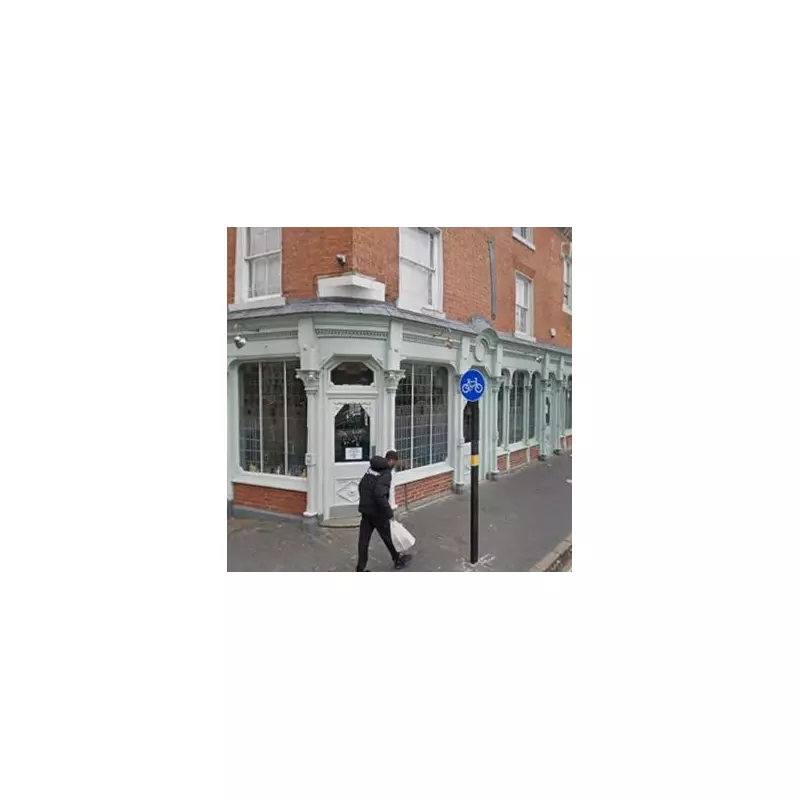
Roifield Brown, landlord of the Temper and Brown pub in Birmingham's historic Jewellery Quarter, has spoken out about the alarming rate of pub closures across the UK. In a social media post, he described pubs as 'the glue of every community', vital spaces where friendships begin and memories are made.
His warning comes amid a perfect storm for the hospitality sector. The current business rates discount for hospitality venues is set to expire on March 31. According to trade body UK Hospitality, the new scheme that follows is predicted to increase pub business rates by an average of 15%. This follows widespread criticism from the industry regarding the lack of support in the recent Autumn Budget.

A Wider Industry Backlash
The frustration over rising business rates is not confined to Birmingham. Celebrity landlord Jeremy Clarkson made headlines by banning Labour MPs from his Cotswolds pub in protest at the planned increases. His only exemption was for MP Markus Campbell-Savours, who was suspended from the Labour Party for voting against plans to extend inheritance tax for farmers.
These rising costs, encompassing energy, supplies, and staffing alongside taxes, are pushing many beloved locals to the brink. Brown emphasised that when a pub closes, "we don’t just lose a building".
A Christmas Call to Action
In his Instagram message, Roifield Brown painted a poignant picture of what is at stake:
"We lose laughter. We lose music. We lose conversation. We lose belonging."
His Christmas plea is a direct call to the community: "This Christmas, let’s protect the places that bring us together. Support your local. Save our pubs."
The message from Temper and Brown underscores a critical choice for patrons this festive season: to spend their money in chain venues or to invest in the independent, community-focused pubs that form the social fabric of their neighbourhoods. As costs spiral and support dwindles, the future of many such establishments may depend on the public's response to this call.