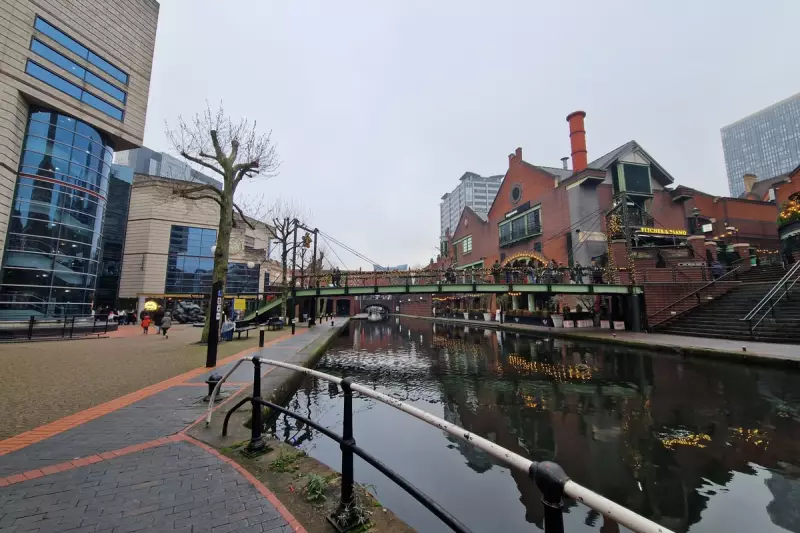
Birmingham has masterfully reinvented itself, turning its historic industrial waterways into a vibrant hub that now draws crowds in the millions each year. This remarkable transformation, which began in earnest about 50 years ago in the 1970s, has seen the city overcome the widespread decline of UK manufacturing to create a premier leisure destination.
From Industrial Heartland to Waterside Wonder
Faced with the closure of old factories, particularly in the Brindleyplace area, Birmingham embarked on a ambitious regeneration project. The goal was to repurpose these dormant workspaces for a modern, populous city. Today, the result is a spectacular array of attractions that locals and visitors alike can enjoy. Key institutions now defining the area include the National SEA LIFE Centre, Legoland Discovery Centre, the Ikon Gallery, Crescent Theatre, and the Symphony Hall, alongside a wealth of cafes, bars, and restaurants.
More Canals Than Venice: A Fact to Celebrate
A point of pride for Brummies is the oft-quoted fact that Birmingham boasts more canals than Venice. This is verified by the extensive Birmingham Canal Navigations (BCN) network, which spans an impressive 100 miles in total, surpassing the Italian city's famed waterways. The entire Brindleyplace district is named in honour of James Brindley (1716–1772), the pioneering canal engineer known as the 'father of the British canal system', whose work was crucial to the city's industrial past.

Exploring Brindleyplace's Scenic Gems in 2025
The area's success is undeniable, with official estimates suggesting it attracts more than 4 million visitors annually. The canalside setting is perfect for strolls, jogs, or runs in any weather. Key features visitors can explore include:
- Three public squares: Central Square, Oozells Square, and Brunswick Square.
- A concentration of Birmingham's most iconic cultural and family attractions.
- A lively canalside scene dotted with boats.
- A popular residential area where locals enjoy stunning waterside views daily.
Birmingham's canal-side regeneration stands as a powerful example of urban renewal, successfully weaving historical infrastructure into the fabric of a dynamic 21st-century city.