Tourists planning holidays to Majorca and other Balearic Islands will encounter significant new beach regulations starting in 2026, as authorities implement a dual strategy to tackle overcrowding and promote sustainable tourism practices.
Innovative Beach Monitoring Technology
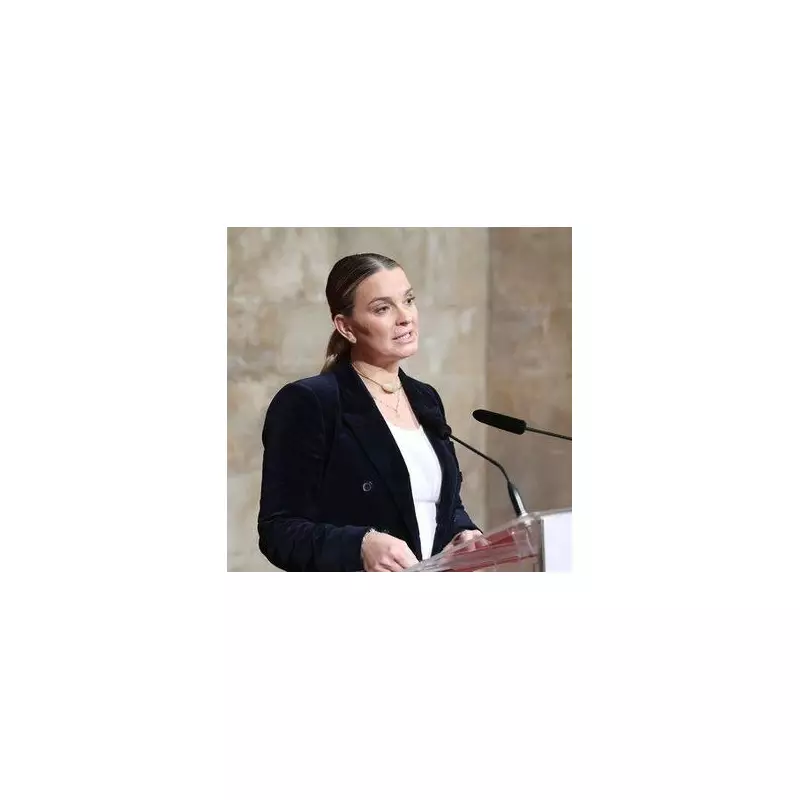
From the second quarter of 2026, visitors will be able to access a groundbreaking mobile application that provides real-time data about beach conditions across the archipelago. The pioneering app, announced by Balearic Islands President Marga Prohens at the International Tourism Fair in Madrid, will display crucial information including current beach occupancy levels, water temperatures, and safety flag statuses.
"This innovative system will enable administrations to redirect tourist flows effectively, while allowing both visitors and residents to make informed decisions that enhance their comfort and peace of mind," stated Ms Prohens during her presentation at the islands' FITUR stand.

Comprehensive Data Collection Network
The technological initiative involves installing sensors on hundreds of beaches throughout the Balearic Islands, creating an extensive monitoring network that will feed information to a central web platform. This platform will be accessible to government administrations, tourism operators, and the general public, marking a significant shift toward tourism management based on precise, shared information.
Substantial Reduction in Beach Amenities
Alongside the technological implementation, authorities are planning a substantial reduction in beach infrastructure. In Palma alone, approximately 1,700 sun loungers - representing about 20% of current provision - will be removed by 2026. This reduction aims to create additional unrestricted beach areas for local residents while simultaneously addressing growing concerns about coastal erosion.
Transforming Tourism Models
President Prohens highlighted significant progress in deseasonalising tourism across the Balearic Islands, noting that the region has achieved its strongest off-peak performance on record. Between November 2024 and March 2025, the islands welcomed 741,000 visitors - representing a 12% increase compared to the same period in the previous year.
"We are witnessing real deseasonalisation for the first time, with fewer tourists during traditional peak periods and unprecedented increases throughout quieter months," explained Ms Prohens. "2025 represented a historic milestone for our domestic market, which is our third largest source of visitors."
Balancing Tourism Success with Resident Well-being
During her address, the president expressed pride in the region's continued tourism leadership while emphasising the importance of balancing economic success with resident welfare. "Tourism is, will be and will continue to be welcome," she affirmed, adding that the Balearics are "once again exercising tourism leadership" from their position in the Mediterranean.
The comprehensive strategy includes additional measures such as ongoing negotiations about tourist taxes and offering specific incentives for off-peak season stays. These initiatives form part of a broader transformation of the current tourism model toward greater sustainability and year-round viability.
"We are very proud to be a tourist community, of our sector, of our economic and social agents, and of the leadership exercised from islands in the middle of the Mediterranean that influences the world," concluded President Prohens, underscoring the region's commitment to innovative tourism management.