Labour Government Confirms Extended Pub Hours for Major Sporting and Cultural Events
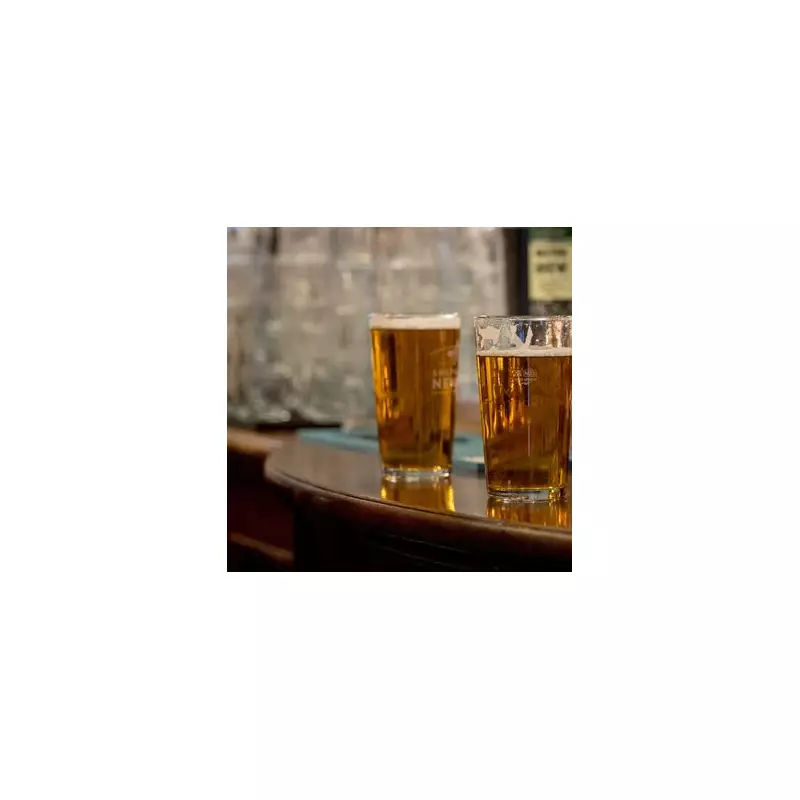
The Labour government has announced significant changes to licensing regulations that will allow pubs across England and Wales to extend their opening hours until 2am during major events. This new policy eliminates the need for venues to apply for Temporary Event Notices for specific occasions, marking a substantial shift in hospitality sector regulations.
World Cup Coverage and Extended Hours
Under the new rules announced by Treasury Secretary Dan Tomlinson, pubs will be permitted to stay open until 1am for quarter-finals, semi-finals, and matches starting at or before 9pm during the upcoming men's football World Cup. For games beginning at 10pm, venues can extend their hours until 2am to accommodate fans watching home nation matches in the tournament's later stages.
"I can announce today that pubs and other licensed venues will be able to open until 1am or 2am depending on when the game starts for home nation games in the later stages of the men's football World Cup this summer," stated Mr Tomlinson during the announcement.

Legislative Changes and Future Extensions
The government plans to legislate to increase the number of temporary events notices available to pubs and other hospitality venues. This legislative change aims to support establishments screening World Cup matches while also accommodating other community and cultural events that might benefit from extended opening hours.
"We will legislate to increase the number of temporary events notices for pubs and other hospitality venues, whether that is to help them screen World Cup games or other community and cultural events," explained the Treasury Secretary, indicating the government's broader vision for the hospitality sector.
Political Debate and Sector Diversity
The announcement sparked immediate political debate, with Liberal Democrat MP for Richmond Park, Sarah Olney, questioning why the extended hours focus primarily on pubs rather than the broader hospitality sector. She highlighted the diverse needs of communities that might prefer alternative venues during major events.
"We have a diverse and varied hospitality sector in my constituency of Richmond Park, and it supports lots of different communities, including those who don't go to pubs – parents of young children, people who don't drink, faith groups, dare I say it, people who don't want to watch the football," Ms Olney stated during parliamentary discussions.
She continued: "And so they have different needs, they want to go to cafes, they want to go to soft play centres. So why is the Government focusing this relief just on pubs?"
Government Response and Consultation Process
In response to these concerns, Mr Tomlinson revealed that the government is already consulting on whether to extend these longer licensing powers to other types of events beyond football matches. This consultation process could potentially broaden the scope of venues and events eligible for extended hours in the future.
The Treasury Secretary addressed Ms Olney directly, stating: "(Ms Olney) may not wish to watch the football, that's fine, that's her decision. We're also consulting, she'd be interested to know, on whether we can extend these longer licensing powers to other events."
He added: "So she'll have to let me know if there are other events that she would like to go and watch in a pub, and they can be part of the consultation."
Broader Implications for Hospitality
The policy announcement represents a significant development for the UK's hospitality industry, potentially boosting revenue during major international events while reducing administrative burdens for venue operators. The government has indicated that similar extensions could apply to other cultural events like Eurovision, suggesting this could become a regular feature for major national occasions.
This regulatory change comes as part of broader government efforts to support the hospitality sector while responding to community needs during significant national and international events that capture public attention across England and Wales.