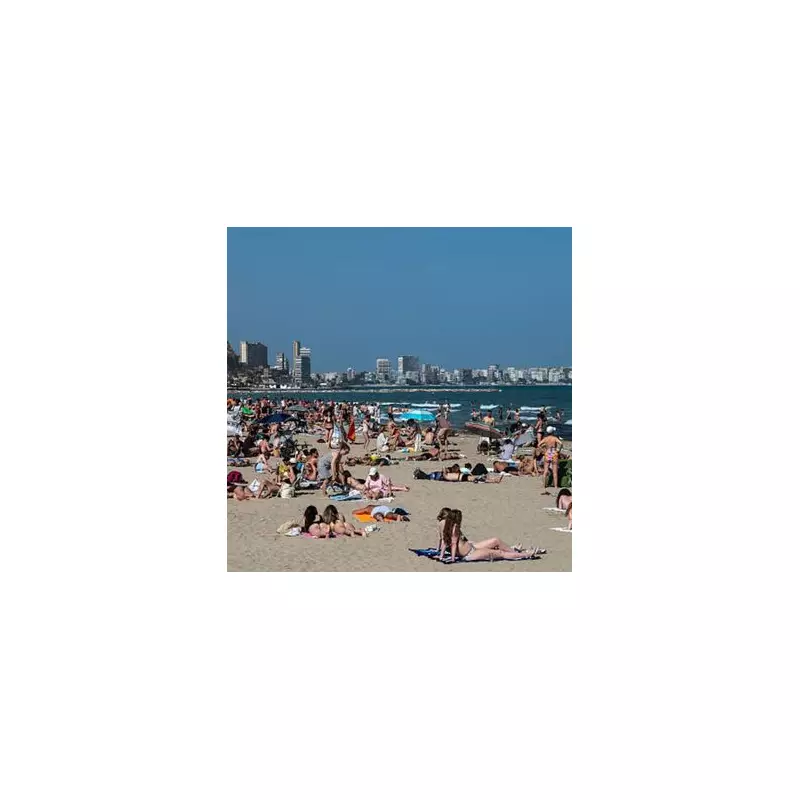
British tourists planning holidays to Spain's Balearic Islands could face dramatically increased costs under radical new proposals from one of the country's largest trade unions.
Substantial Tax Increases Proposed
The Workers' Commission (CCOO), a major Spanish trade union, is advocating for a significant rise in the existing tourist tax. Their proposal would see the current rate surge to €15 (£13) per person, per night during July and August.
Currently, visitors pay €4 (£3.50) nightly in five-star hotels, €3 in mid-range accommodation, €2 for budget stays, and €1 in hostels during peak season. These rates drop by 75% during off-peak periods.

This sharp increase would mean a family of four staying at a luxury resort for a fortnight would face a staggering €840 (£736) in tourist taxes during the summer peak. This represents a substantial jump from the current €224 (£196) charge – an overall increase of £540 for the same holiday.
Addressing Overcrowding and Housing Crises
The proposed tax hike forms part of a broader strategy to tackle the islands' pressing social issues. Jose Luis Garcia, general secretary of CCOO, explained the dual approach needed: "To reduce summer overcrowding, it's not enough to curb demand; we must also act on supply."
The union is calling for rent caps and the creation of 40,000 new social homes for local residents, with the increased tourist tax helping to finance these initiatives.
This follows Palma, Majorca's capital, announcing a ban on new short-term rentals and hostels to increase housing availability for residents. Garcia wants this ban extended across all four Balearic Islands – Majorca, Menorca, Ibiza, and Formentera.
Impact on British Tourism
The proposed changes could significantly affect British holidaymakers, with Spain remaining the UK's top holiday destination. Approximately 18 million Brits visit Spain annually, with an estimated 27% – nearly five million travellers – heading specifically to the Balearic Islands.
Garcia emphasised the urgency of addressing spiralling rental costs in residential properties, stating: "More than building, it's about limiting prices, and until we do that, we won't reverse the situation."
Similar measures restricting holiday accommodation have already been implemented in Alicante and Madrid, indicating a broader trend across popular Spanish destinations facing tourism-related pressures.