BAE Systems Achieves Record Financial Results Amid Global Defence Surge
Europe's premier defence contractor, BAE Systems, has unveiled unprecedented annual results, propelled by a significant uptick in global defence expenditure amidst ongoing geopolitical instability. The aerospace and arms manufacturer reported underlying earnings before interest and taxes of £3.32 billion for the year 2025, marking a substantial 12% increase compared to the previous year. This performance exceeded market expectations, with sales also climbing 10% to reach an all-time high of £30.66 billion.
Record Order Backlog and Strategic Positioning
The company disclosed that its order backlog soared to a record £83.6 billion by the end of December, while order intake for the year stood at £36.8 billion. Chief executive Charles Woodburn emphasized the firm's strategic advantage in this new era of defence spending, stating, "In a new era of defence spending, driven by escalating security challenges, we're well-positioned to provide both the advanced conventional systems and disruptive technologies needed to protect the nations we serve now and into the future." He added, "With a record order backlog and continuing investment in our business to enhance agility, efficiency and capacity, we're confident in our ability to keep delivering growth over the coming years."
BAE Systems anticipates continued expansion in 2026, albeit at a more moderate pace, forecasting underlying earnings growth of between 9% to 11% and sales increases of 7% to 9%. The company, which manufactures a diverse range of weaponry including missiles, artillery systems, tanks, aircraft, and warships, has benefited from a worldwide surge in defence spending, particularly as European nations re-arm themselves.

Geopolitical Factors and Market Response
In the United Kingdom, Prime Minister Sir Keir Starmer recently indicated that Britain must "go faster" in boosting military expenditure, with reports suggesting plans to allocate 3% of UK gross domestic product to defence. BAE highlighted key contracts from the past year, such as an agreement with Turkey for 20 Typhoon aircraft, valued at approximately £4.6 billion and expected to sustain 20,000 UK jobs, alongside an order from Norway for Type 26 frigates.
BAE shares surged 4% during Wednesday morning trading, having risen by nearly a fifth since the start of 2026 and more than tripling since Russia's invasion of Ukraine in 2022, which triggered a global increase in defence spending. Richard Hunter, head of markets at Interactive Investor, commented on the results, noting, "The unfortunate sign of the times that defence stocks are squarely back in fashion, as governments around the world look to protect their interests and lands from growing tensions." He elaborated, "The geopolitical backdrop is a reminder that brittle relationships are seemingly never far away, ranging from potential and actual conflicts in the likes of Venezuela, between China and Japan and Russia and Ukraine."
Employment and Regional Impact
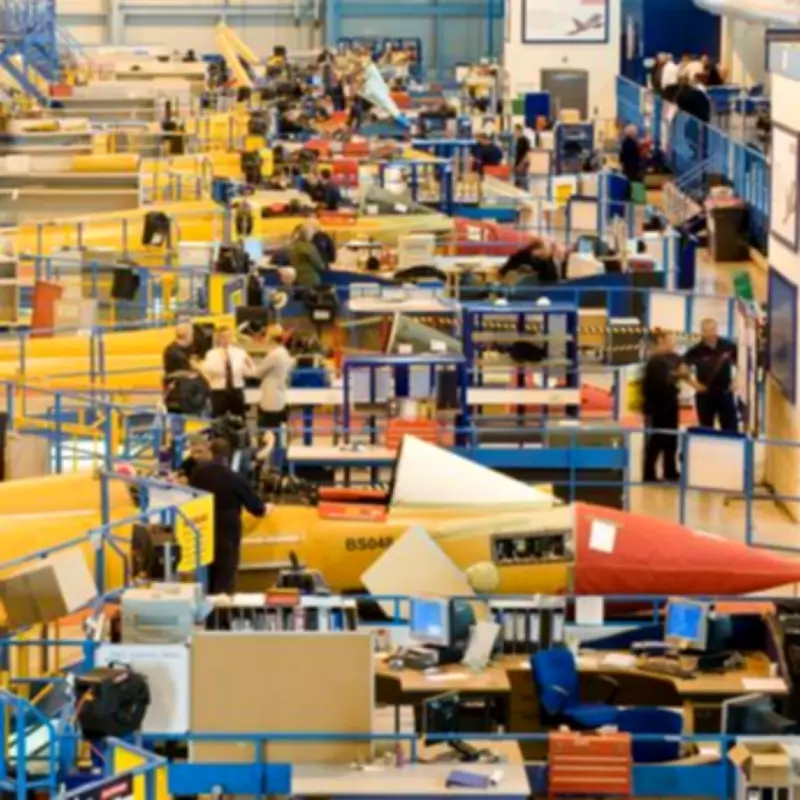
BAE Systems employs approximately 12,000 people at its Warton and Samlesbury sites in Lancashire, where it reported "significant success across its combat air business in the region." Over the past year, the company recruited 1,225 individuals to work at these two locations. Other significant UK sites include submarine bases in Barrow-in-Furness, a munitions site at Glascoed in Wales, advanced technology plants in Dorchester and Filton, digital intelligence bases in Bristol, Gloucester, and Christchurch, and an air sector base in Brough, East Yorkshire.
The broader context of rising defence budgets globally has led numerous governments to pledge higher percentages of GDP to military spending over the next decade, creating ongoing opportunities within the expanding defence sector. This trend underscores the pivotal role of companies like BAE Systems in meeting the evolving security needs of nations worldwide.