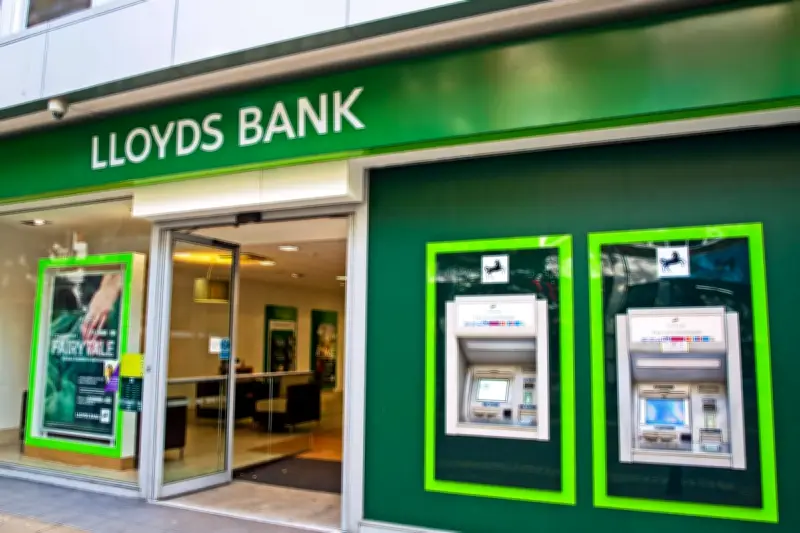
Business confidence in the West Midlands dropped sharply in March, falling 15 points to 37%, according to the latest Lloyds Bank Business Barometer. Despite the decline, companies in the region remain focused on growth, with many planning to increase investment and hiring.
Confidence Dip Amid Economic Uncertainty
The survey, which polled 1,200 businesses across the UK, found that the West Midlands' confidence reading of 37% was below the national average of 44%. The drop reflects concerns over rising costs, supply chain disruptions, and broader economic uncertainty. However, the region's firms reported stronger expectations for business activity over the next 12 months, with a net balance of 48% expecting an increase, up from 44% in February.
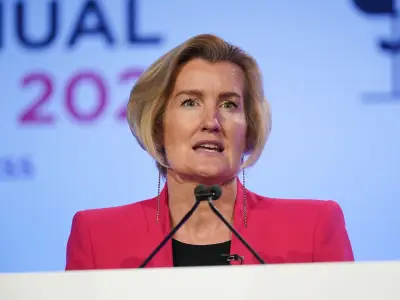
Dave Atkinson, regional director for Lloyds Bank in the West Midlands, said: “It’s encouraging to see that while confidence has dipped, businesses in the West Midlands are still very much focused on growth. They are showing resilience and a determination to invest in their future, despite the headwinds they face.”

Hiring and Investment Plans Hold Steady
The barometer also revealed that 34% of West Midlands firms plan to increase their workforce over the next year, while 28% intend to boost investment in their business. These figures are broadly in line with the national averages of 36% and 30% respectively. Sectors such as manufacturing and professional services showed the strongest hiring intentions.
However, the survey highlighted that 22% of businesses in the region expect to raise prices in the coming months, down from 28% in February, suggesting some easing of inflationary pressures. Still, 41% cited rising energy costs as their top concern, followed by labor shortages (28%) and raw material costs (24%).
Regional Variations and Outlook
Nationally, business confidence fell for the first time in five months, dropping from 46% in February to 44% in March. The West Midlands was one of several regions to see a decline, alongside the North West and Yorkshire. In contrast, London and the South East saw slight increases.
Despite the dip, the overall picture remains relatively positive. The proportion of firms expecting to increase exports rose to 28% from 24%, and 30% said they were operating at full capacity, up from 26%. Atkinson added: “The data suggests that businesses are adapting to the current climate. Many are finding ways to grow, whether through new markets, innovation, or efficiency measures. We remain committed to supporting them through these challenges.”
The Lloyds Bank Business Barometer is based on a survey of 1,200 UK businesses conducted between March 1 and March 14, 2024.