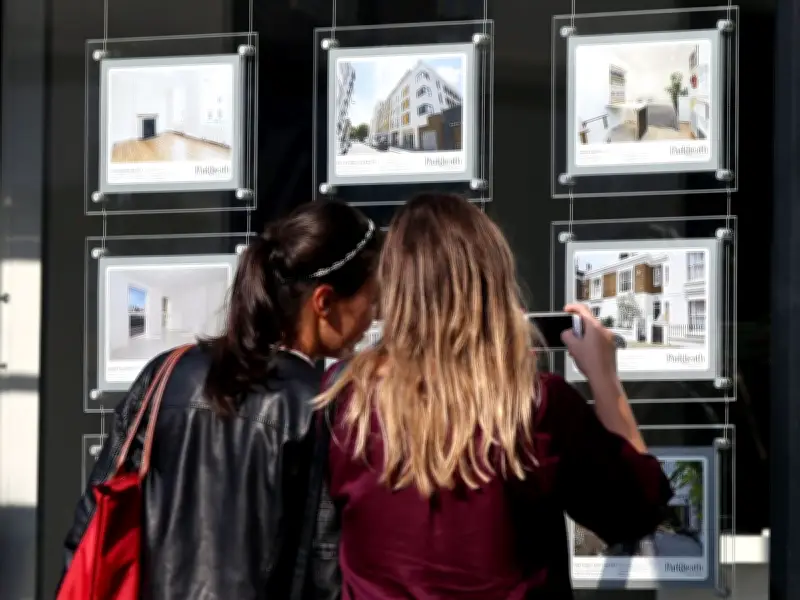
Brummies are facing average home costs of over £200,000, with the typical property in Birmingham now priced at £238,000. According to the Office for National Statistics, the average price of a home bought with a mortgage in Birmingham was £238,000 in March 2026, in line with £237,000 a year earlier.
West Midlands and UK Averages
Across the West Midlands, the average price of a home bought with a mortgage was £247,000, unchanged from the previous year. For cash buyers in Birmingham, the average was £219,000 in March 2026, while the West Midlands average for cash purchases stood at £243,000.
House prices have slightly fallen in recent months, with a 0.1% decline in May following a similar 0.1% fall in April, according to the Halifax House Price Index. Despite these minor drops, prices remain vanishingly high for millions of Brits looking to get onto the property ladder.

The average property price across the UK is now £298,806, compared with £299,251 in April. Annual growth is up slightly to 0.5%, from 0.4% in April. Northern Ireland continues to lead UK annual house price growth, driven by limited supply and relative affordability, with average prices up 7.8% over the past year to £227,177 – the highest rate of growth in six months. Scotland also recorded strong annual growth at 3.8%, with an average price of £222,650. Wales has seen property price growth slow to 0.1% annually, taking the typical home value to £230,355.
In England, stronger price growth remains concentrated in northern regions. The North East saw prices rise 3.1% over the year to £181,703, while the North West recorded annual growth of 3.0%, with the average home now costing £248,304. By contrast, southern markets continue to see prices fall. The South East led declines, with prices down 2.1% year-on-year to £382,704, while London saw average values fall by 1.5% to £534,375.
How to Save for a Deposit
The best way to save for a home is to set a target and determine how much you will need for a deposit. Many first-time buyers aim for at least 5–10% of the property's purchase price, although a larger deposit can help you access better mortgage rates. For example, for a £250,000 home, a 5% deposit equals £12,500, while a 10% deposit equals £25,000.
Don't forget to budget for additional costs such as solicitor fees, surveys, moving expenses, and any furnishings you may need. Lifetime ISAs (LISAs) are one of the most effective ways to save and are available to open for anyone between the ages of 18 and 39. They allow hopeful first-time buyers to save up to £4,000 per tax year, receive a 25% government bonus, and use the funds toward the purchase of your first home (subject to eligibility rules). For every £4,000 you save, the government adds £1,000, making it a valuable option for building a deposit.
Martin Lewis said: "Lifetime ISAs (LISAs) work well for many, but there's a growing hole which needs addressing. If you try to use LISA savings to buy a home above the £450,000 threshold (which hasn't moved since LISAs launched in 2017), you're effectively fined 6.25% of your money (so £625 per £10,000 saved) to withdraw it. This is unfair, especially for many young people who've already been priced out by inflation."