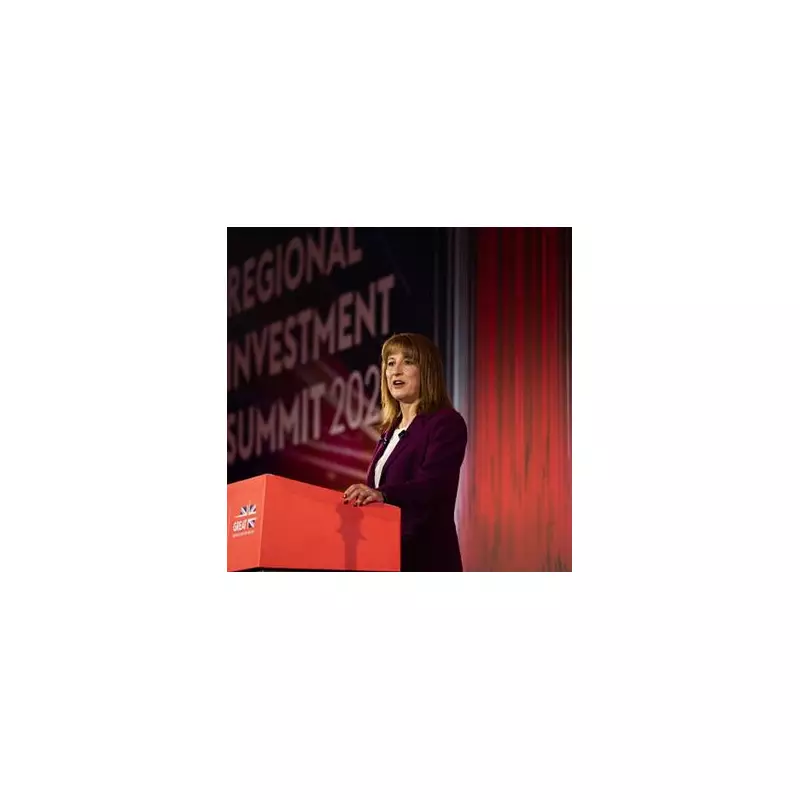
Chancellor Rachel Reeves is facing mounting pressure to abolish the controversial stamp duty land tax in her upcoming Autumn Budget, a move property experts claim could save UK households an average of £16,000 and revitalise the housing market.
The Case Against the 'Sin Tax'
Leading figures in the property sector, including Channel 4 presenter Kirstie Allsopp, have branded stamp duty a 'sin tax' and are urging the Labour government to scrap it entirely. The Treasury is actively considering a systemic overhaul, with proposals to replace the one-off purchase levy with a new annual property tax.
Allsopp, famed for Location, Location, Location, warned that the current climate is causing panic among potential movers. 'People are in a panic about potential stamp duty changes, and sitting tight,' she stated, highlighting how the tax discourages economic activity. She argued that buying property should not be treated as a sin, akin to purchasing cigarettes or alcohol.

Economic Distortion and Market Traps
Expert testimony supports these claims. Kate Willis, a property taxes technical officer at the Chartered Institute of Taxation, acknowledged that while stamp duty is easy to collect and difficult to avoid, 'economists are almost universally agreed that it does distort economic activity.'
The financial impact on homeowners is significant. Richard Donnell, research director at Zoopla, revealed that the average stamp duty bill is £16,000, representing about 3% of a property's value. 'It's quite a big hit to them,' he said, adding that the tax traps people in their current homes, which in turn 'puts big pressure on the rental market' by limiting supply for first-time buyers.
Wealth Tax Debate and Loopholes
The debate has also opened a discussion on the fundamental principles of taxation. Allsopp quipped that the current system encourages bizarre valuations, predicting 'a lot more properties worth £1.9999m' to avoid higher tax bands.
This sentiment was echoed by others who question why investing in a UK home is taxed more heavily than other forms of expenditure. One commentator, Leunig, pointed out the inconsistency: 'I'm not sure why someone who pays £2m for a house should be taxed more than someone who spends half of that money on a house in the south of France, or on a yacht.' He concluded that if the goal is to tax wealth, the government should implement a proper wealth tax rather than isolating property.
All eyes are now on Chancellor Rachel Reeves as she prepares to deliver the Autumn Budget on November 26. The decision on stamp duty will be a defining moment for the new government's approach to the housing crisis and economic growth.