The End of an Era: Birmingham's Rackhams Department Store to Close in 2026
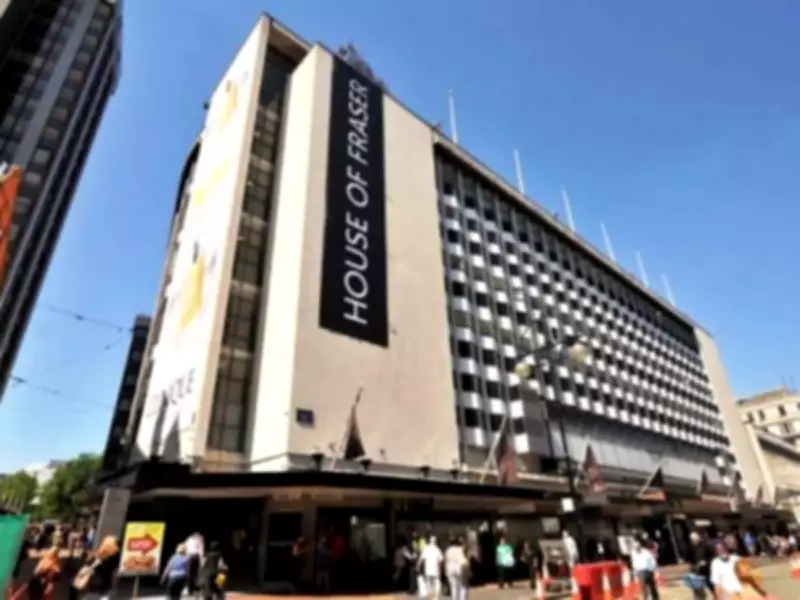
The iconic Rackhams building on Corporation Street in Birmingham, currently operating as House of Fraser, is set to close in late June 2026. This announcement brings an end to department store retailing that has been a fixture on this site since 1960, marking the disappearance of another cherished local institution.
A Storied History of Retail Excellence
Rackhams first opened in Birmingham in 1881, originally established as a drapery shop. Over the decades, it evolved into a premier department store, known for its luxury goods and upscale shopping experience. In 1955, it was purchased by Harrods, and by 1959, it became part of the House of Fraser group. The store has undergone numerous ownership changes, including periods under Mohamed Al-Fayed and later Chinese conglomerate Sanpower Group.
In 2018, House of Fraser entered a temporary arrangement to avoid liquidation, but restructuring efforts failed to secure necessary investments. The company was subsequently saved from administration by Mike Ashley's Sports Direct chain, which acquired it for £90 million. Since then, the Birmingham store has seen a significant reduction in product range and quality, shifting from its former aspirational appeal to a more discount-oriented model.

Architectural and Cultural Significance
The Rackhams building itself is an architectural landmark, featuring eight storeys with Portland stone cladding and distinctive zig-zag glazing. Designed by T. P. Bennett & Son and built between 1955 and 1966, it is noted in The Pevsner Architectural Guides. Beyond its structure, Rackhams was a cultural hub for Birmingham, famous for its luxurious interiors, high-end food department, and elaborate Christmas window displays.
It offered superior amenities, including high-standard toilets and a dedicated Model Room for bridalwear. The store also hosted events, such as a 1973 appearance by Jon Pertwee as Dr. Who, and its sixth-floor restaurant, the Lilac Tree, was a meeting place for locals and celebrities alike. Notably, musician Stephen Duffy, who later formed Duran Duran, frequented the store in his youth.
Decline and Future Prospects
In recent years, Rackhams faced increasing competition from newer stores and the rise of online shopping, leading to declining sales. Despite efforts to modernize and changes in ownership, the store could not sustain its operations. The closure reflects broader trends in retail, where traditional department stores struggle to adapt to changing consumer habits.
The future of the building remains uncertain, with potential conversions into offices, a hotel, or ground-floor retail units discussed. However, current market uncertainties may delay any definitive plans. For many Brummies who grew up visiting Rackhams, its closure evokes nostalgia for a time when the store symbolized luxury and aspiration in the heart of the city.