Wolverhampton's high street is set to lose two Greggs branches, as the popular bakery chain confirms closures in the city centre. This development comes alongside plans for a new, larger store opening in the near future, signalling a shift in the local retail landscape.
Confirmed Closures and New Opening
According to a notice posted on the Mander Centre's official Facebook page, one Greggs outlet within the shopping mall has already ceased operations. The closure took effect on February 10th, with the store shutting its doors at 2pm. In a follow-up confirmation, the Mander Centre revealed that a second Greggs location in the city centre is also scheduled to close, bringing the total number of affected branches to two.
Simultaneously, Greggs has announced that a brand-new store will be opening on Dudley Street in Wolverhampton. The Mander Centre described this upcoming outlet as a "bigger store," suggesting an expansion or relocation strategy rather than a simple reduction in presence. This new development indicates that while some locations are closing, the company is reinvesting in the area with a potentially enhanced offering.

Impact on Staff and Customer Guidance
The closures have raised questions about the fate of employees working at the affected branches. In response to customer inquiries on social media, the Mander Centre clarified that not all staff members from the closing stores will be transferring to the new Dudley Street location. The shopping centre explained that as two stores are closing, "not all staff are needed" for the single new outlet, with some employees being relocated to other Greggs stores in the region.
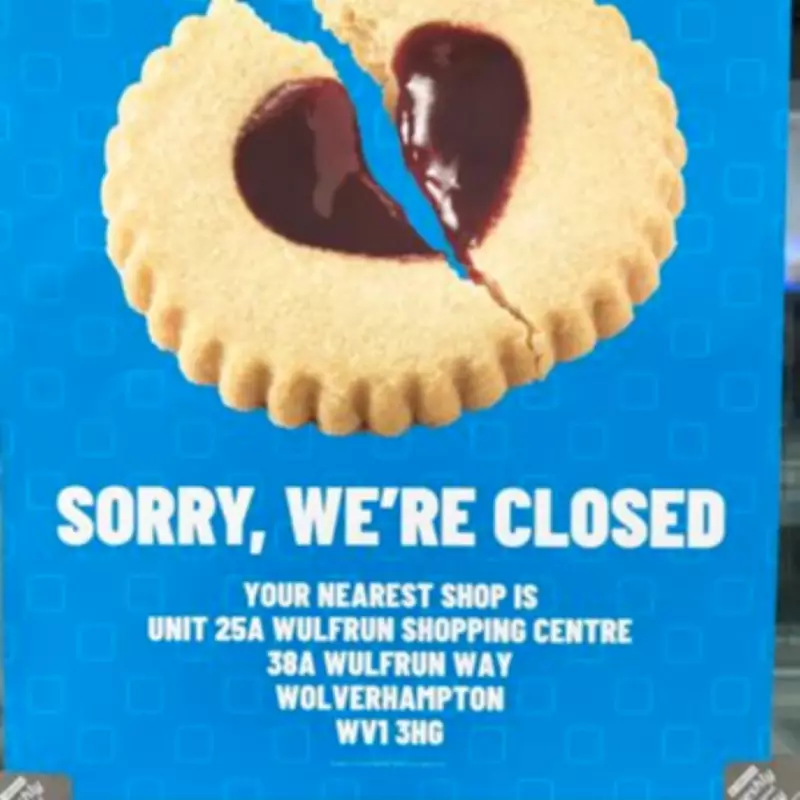
For customers seeking their Greggs fix, signage on the closed Mander Centre branch directs them to the nearest alternative at Unit 25A in the Wulfrun Shopping Centre on Wulfrun Way. This guidance aims to minimise disruption for loyal patrons while the new Dudley Street store prepares to open its doors.
Broader Context and Industry Trends
This move by Greggs, which operates over 2,000 locations across Britain, reflects ongoing changes in the retail and food service sectors. The decision to close two existing branches while opening a new, larger store nearby suggests a strategic consolidation effort, possibly aimed at improving operational efficiency or enhancing the customer experience in a prime location.
The closures in Wolverhampton come at a time when high streets nationwide are facing significant challenges, with changing consumer habits and economic pressures prompting many businesses to reassess their physical footprints. Greggs' approach of closing smaller or less optimal locations while investing in new, potentially more profitable sites is a common strategy in the competitive fast-food and bakery market.
As the situation develops, local residents and Greggs enthusiasts will be watching closely to see how the new Dudley Street store performs and whether further adjustments to the chain's Wolverhampton presence are planned. The company's ability to balance closure announcements with new opening plans demonstrates the dynamic nature of retail planning in today's challenging economic environment.