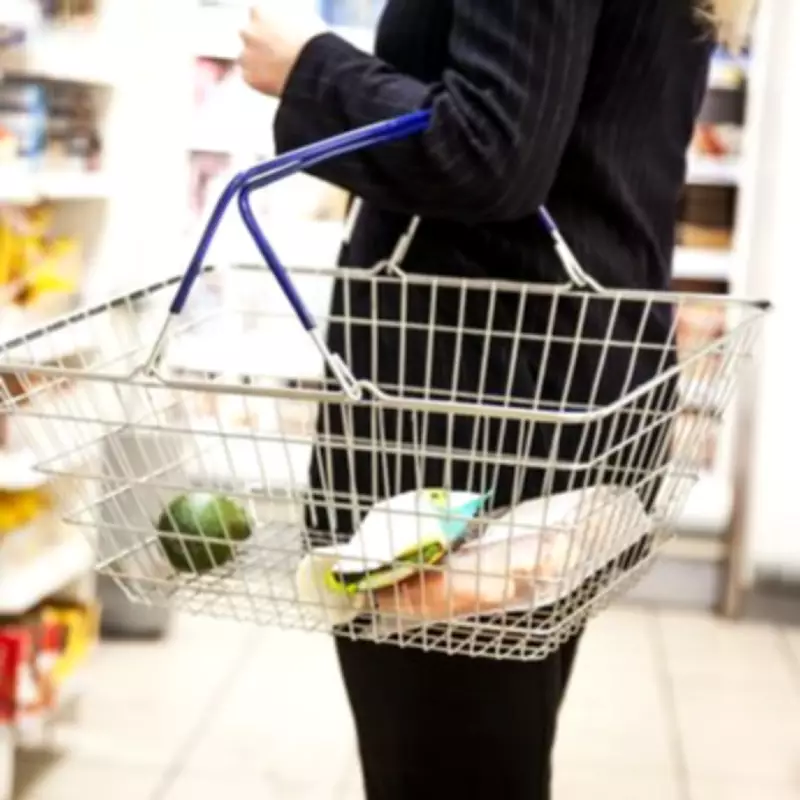
Grocery price inflation in the United Kingdom has eased back to 4 per cent in January 2026, marking its lowest point since April of the previous year. This represents a notable decline from December's rate of 4.3 per cent, indicating a continued moderation in food price increases that is providing some relief to household budgets.
Own-Brand Products Dominate Shopping Baskets
According to comprehensive market research from Worldpanel by Numerator, supermarket chains' own-brand products now account for a significant 52.2 per cent of all grocery purchases. This shift toward retailer-branded items demonstrates how consumers are actively seeking better value during a period of ongoing financial pressure.
Spending on promotional items has surged by 10.9 per cent year-on-year, further evidence that shoppers are prioritising the cheapest available options and hunting for the best possible deals. The data reveals a clear pattern of cost-conscious behaviour across the nation's supermarkets.

Retail Expert Insights on Consumer Behaviour
Fraser McKevitt, head of retail and consumer insight at Worldpanel, commented on the January trends: "For most shoppers, January is all about resetting household budgets, and this year was no exception. While grocery sales continue to grow and inflation eased to its lowest level in months, value remained front of mind for many, with own-label hitting a record high, accounting for more than half of all grocery spend."
McKevitt added an interesting observation about premium purchases: "In a month when consumers typically look to rein in spending, it is notable how many are still willing to pay a premium for wellness, with functional drinks costing nearly four times as much as typical soft drinks at £4.69 per litre."
Supermarket Performance Varies Across Retailers
The latest figures reveal significant variation in performance among major grocery retailers. Lidl emerged as the fastest-expanding physical retailer, recording impressive sales growth of 10.1 per cent across the 12 weeks leading up to January 25.
Other major chains showed mixed results:
- Sainsbury's experienced a 5.3 per cent surge in till receipts
- Tesco recorded sales growth of 4.4 per cent, capturing 28.7 per cent of the market
- M&S grocery sales jumped 6.9 per cent higher compared to the equivalent quarter last year
- Asda's revenue dropped 3.7 per cent year-on-year
- Co-op's sales declined by 1.6 per cent
This divergence in performance highlights the competitive nature of the UK grocery sector, with discount retailers like Lidl gaining ground while some established chains face challenges in maintaining market share.
The overall trend suggests that while inflation is moderating, British consumers remain highly price-sensitive, with value considerations continuing to drive purchasing decisions across the supermarket landscape.