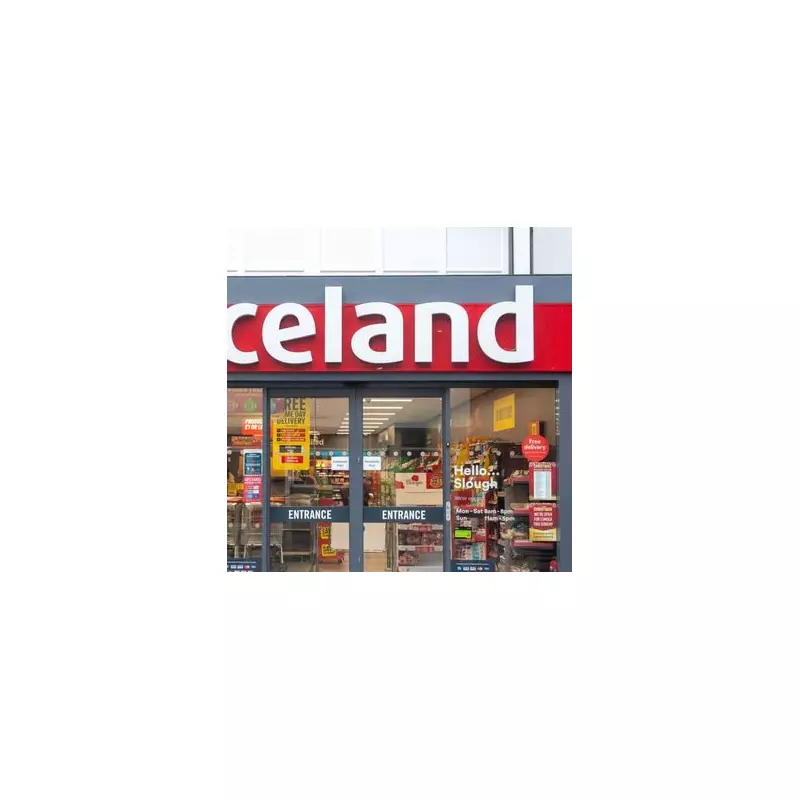
Frozen food retailer Iceland Foods has launched a significant trial that will change how delivery orders are packaged for shoppers across the United Kingdom. The initiative, which began on January 10, 2026, sees the supermarket chain moving away from single-use and reusable bags for a significant number of its online customers.
What the New Delivery Trial Involves
Under the previous system, shoppers could choose to have their groceries delivered in a paper bag, a reusable woven bag, or an insulated freezer bag for a fee of 30p per bag. The new reduced packaging trial, now active in selected areas, removes this option entirely. Instead, orders will be delivered to customers' doors in loose crates.
The supermarket has confirmed that for safety and hygiene reasons, certain items like raw meat and cleaning products will still be wrapped separately in plastic bags. To facilitate the new process, both delivery drivers and in-store staff will be allocated extra time to assist customers with unpacking their orders directly from the crates.

Linking Sustainability with Social Responsibility
This environmental initiative coincides with Iceland's ongoing commitment to social rehabilitation through its 'Second Chance' scheme. The programme, spearheaded by Director of Rehabilitation Paul Cowley MBE since his appointment in 2022, focuses on hiring ex-offenders.
Over the past 18 months, more than 330 former offenders have been employed as front-line retail workers and delivery drivers across Iceland and The Food Warehouse stores. Paul Cowley MBE emphasised the importance of this work, stating: "Not having the security of a paid job following release from prison can have a devastating impact... with the cost of reoffending currently sitting at £18 billion per year."
He added that these individuals deserve a second chance and praised rehabilitated colleagues for their brilliant additions to teams, with some already receiving promotions and awards.
The Bigger Picture for Shoppers
This trial represents a substantial shift in the online grocery delivery model for a major UK retailer. While the immediate change is logistical, the long-term goal is a significant reduction in packaging waste. Customers in the trial areas will need to be prepared to receive their shopping in a new, less packaged format, directly contributing to a more sustainable shopping basket.
The success of this trial in its initial regions will likely determine whether the loose crate delivery method is rolled out nationally, potentially setting a new standard for supermarket home deliveries in the UK.