Trump Issues Tariff Threat Against Iran's Military Suppliers
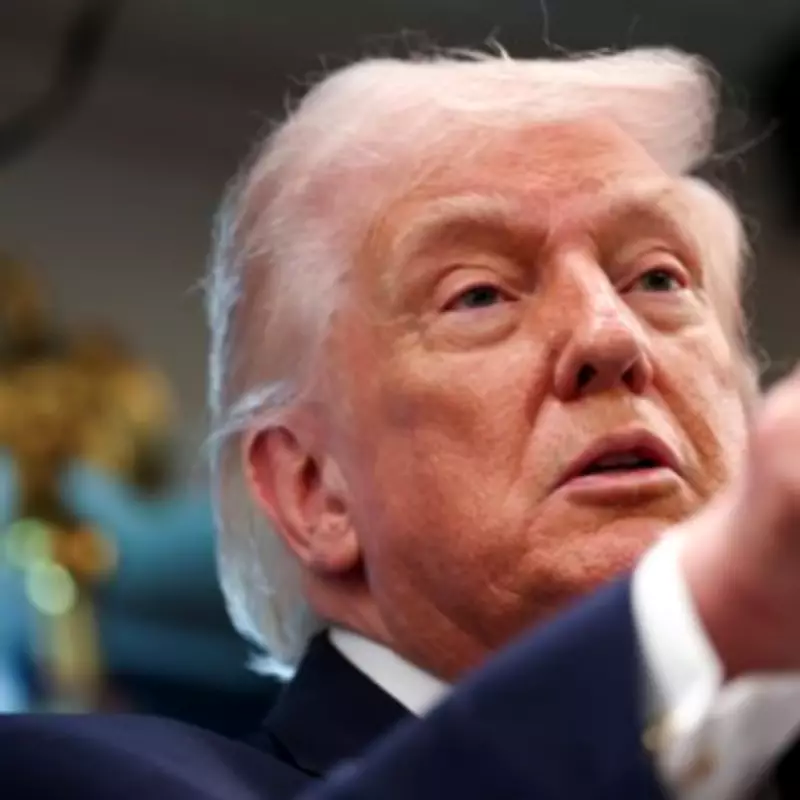
Former US President Donald Trump has issued a stark warning to any nation providing military weapons to Iran, threatening them with immediate and severe tariffs. In a post on his social media platform, Truth Social, Trump declared that such countries would face a 50% tariff on all goods sold to the United States, effective immediately, with no exceptions or exemptions.
Legal Challenges and Emergency Powers
However, this move faces significant legal obstacles. In February of this year, the Supreme Court struck down Trump's ability to impose tariffs unilaterally and immediately, ruling it unlawful. Despite this judicial setback, Trump has reportedly been attempting to bypass congressional oversight by invoking "emergency powers" to advance his tariff agenda.
Regional Tensions and Ceasefire Developments
The tariff threats come amid heightened tensions in the Middle East. Following Trump's ominous statement that "a whole civilization will die tonight, never to be brought back again," the United States and Iran have announced a temporary suspension of all attacks for a two-week period. This development has led Tehran to agree to allow the safe transit of vessels through the strategically vital Strait of Hormuz.

Hezbollah's Stance and Iranian Warnings
Yet, the situation remains precarious. Sources close to Hezbollah have indicated that the Strait of Hormuz will not reopen if Israeli attacks on Lebanon continue, according to reports from ITV News. Emma Murphy, International Editor for ITV News, highlighted on X that one of Iran's key conditions for a ceasefire is an end to all attacks, including those on Lebanon.
Recent strikes in the region have resulted in hundreds of casualties, further escalating the conflict. In response, an Iranian military source told Fars News Agency that Iran is finalising preparations for a deterrent operation against Israeli military positions in occupied territories, citing continued violations of the temporary ceasefire by Israel against Lebanon and the country's Islamic Resistance.
The interplay between Trump's tariff threats, legal constraints, and the volatile geopolitical landscape underscores the complex challenges facing international relations and trade policies in the current climate.