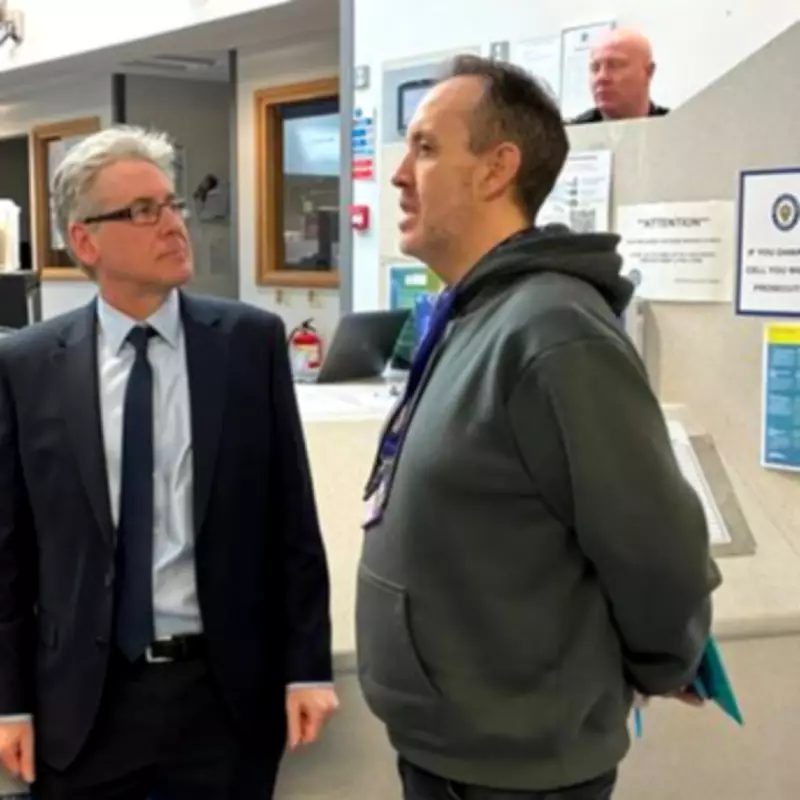
A pioneering programme that supports thousands of people in police custody in the West Midlands who are addicted to drugs and alcohol has been extended. West Midlands Police and Crime Commissioner (PCC) Simon Foster has announced £1.3 million in funding to continue the Arrest Referral Service for another three years in the region.
The service, provided by charities Cranstoun and St Giles, sees around 5,000 people per year. Volunteers with lived experience offer support to those referred, helping them break the cycle of addiction. Since its launch in 2020, the programme is said to have saved millions in taxpayers' cash and thousands of police officer hours. Beyond the numbers, the charities work across seven custody blocks in the West Midlands and report a major impact in helping people turn their lives around.
Lived Experience Volunteers Make a Difference
Rob Thompsell, Volunteer Coordinator for St Giles, has his own lived experience of the criminal justice system after witnessing domestic violence within his household. He said this has given him and other volunteers the ability to walk in the same shoes as service users and understand their issues. This included helping a man whose homelessness was a big driver for his arrests and substance use get in touch with housing groups. There was also a man whose mother had passed away, but he struggled with the task, turning to drink and drugs. After Rob's intervention, organisations helped move furniture out of the apartment and eased the biggest challenge he was facing.

Rob said: "The scheme is keeping these individuals away from being arrested and out of the criminal justice system. Hopefully it's making them give more positive contributions within the community, and some of them want employment or housing. With those foundations, that's going to give those people an opportunity to thrive. Previously, that support, once they left custody and until they got into treatment, wasn't there. We're providing short-term and long-term support for those individuals – whether that be going to appointments, being on the end of the telephone, or that face-to-face individual to talk through any particular issues they might be facing or any challenges that are potentially driving them to being arrested by police for substance or alcohol misuse."
He added: "The scheme provides that credible lived experience. The volunteers on board with St Giles have that lived experience, that cultural competency to be able to provide support that Cranstoun refer through to us. They've lived that journey, they've experienced the issues and challenges so they can provide that support to the individuals. They've walked in those shoes and that's really powerful."
Holistic Assessment in Custody
When people are taken into custody, they are drug tested and referred to the service if they test positive. A holistic assessment is carried out, and as well as getting people into treatment, the aim is to identify other areas of concern such as domestic violence, housing, or financial issues. Emma Christina-Richards, Criminal Justice Service Manager for Cranstoun, said: "It has had a huge impact. When we first engage with these people, they are vulnerable, they don't know what to expect. They're coming from various different backgrounds and are in the custody as well, which is very unnerving for people. But when they engage with us, what they like is we're not in uniform, we come to them plain clothes and we're there just to talk. They know they are not talking to an officer. What we find is because of that, they want to talk to us. They engage all the way through. Through feedback, people actually say 'when I started this journey, I was really sceptical but actually completing the journey, I've found it fruitful and been able to change many areas of my life'."

PCC Welcomes Prevention Focus
PCC Mr Foster said: "This programme shows exactly why prevention and rehabilitation must sit at the heart of modern policing. That is because it will always be better to prevent crime from happening in the first place, rather than having to deal with the consequences of crime. By intervening early, at the point of arrest, we are tackling the root causes of crime, cutting re-offending and delivering value for taxpayers. Custody can be a critical turning point in someone's life. The Arrest Referral Service meets people at that moment and offers real support. By enhancing this service, we are giving more people the chance to access treatment, address addiction and rebuild their lives, reducing crime and harm for everyone in the West Midlands."