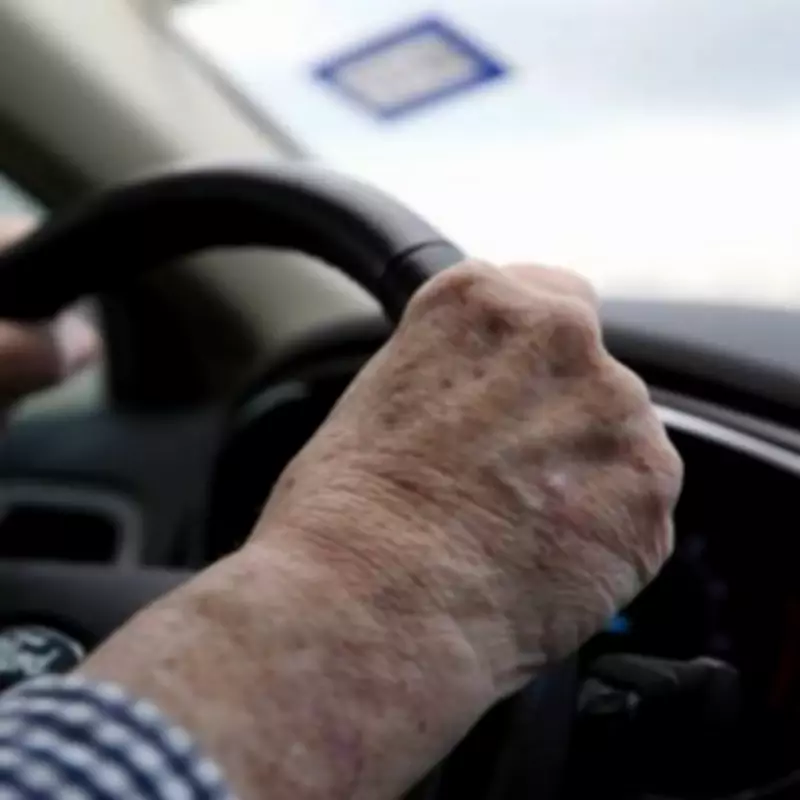
Survey Reveals 38% of Brits Support Driving Ban for Over-80s
New data has uncovered that 38 per cent of people in the United Kingdom believe individuals aged 80 and older should be prohibited from driving and holding licences. This growing sentiment highlights increasing concerns about road safety and elderly motorists' capabilities behind the wheel.
Younger Generations Lead Support for Age-Based Restrictions
Support for a ban on older drivers is most pronounced among younger age groups, according to the research. Specifically, 53 per cent of Generation Z (aged 18-29) and Millennials (aged 30-45) advocate for prohibiting those over 80 from driving. This generational divide suggests differing perspectives on mobility and safety across age brackets.
Expert Calls for Mandatory Medical Checks
Nick Zapolski, founder of ChooseMyCar.com, commented on the findings, stating: "While many older drivers remain safe and capable on the roads, our research shows that millions of Brits are concerned about older people driving." He emphasized that advancing age can increase risks of medical issues like poor eyesight, which directly impact driving ability.

Zapolski added: "As we get older, it's crucial that checks are conducted to ensure we remain safe on the roads. Implementing rules and laws for regular assessments is essential to balance independence with public safety."
Government Considers Stricter Regulations
The survey emerges as older drivers could face mandatory eye tests and potential reductions in the drink-drive limit. These measures are part of government efforts to decrease road fatalities and serious injuries. Currently, the UK is one of only three European nations relying on self-reporting for eyesight problems affecting driving.
Ministers are evaluating proposals for compulsory eye tests every three years for drivers over 70, with driving bans for those who fail. Zapolski noted: "With new measures being introduced, it demonstrates that road safety remains a priority to the Government, allowing motorists to maintain independence as they age while also keeping the road as safe as possible."
Political Perspectives on Road Safety
A Labour Party source highlighted historical context, stating: "At the end of the last Labour government, the number of people killed and seriously injured on our roads was at a record low, but numbers have remained stubbornly high under successive Conservative governments."
The source further argued: "In no other circumstance would we accept 1,600 people dying, with thousands more seriously injured, costing the NHS more than £2bn a year." This underscores the economic and human costs associated with current road safety challenges.
Balancing Safety and Independence
The debate over elderly driving bans reflects broader tensions between ensuring public safety and preserving personal mobility for older adults. As the population ages, policymakers must navigate these complex issues, potentially through enhanced testing protocols rather than outright bans.
Public opinion, as shown by the survey, indicates a significant shift toward stricter regulations, but implementation will require careful consideration of individual rights and community well-being.