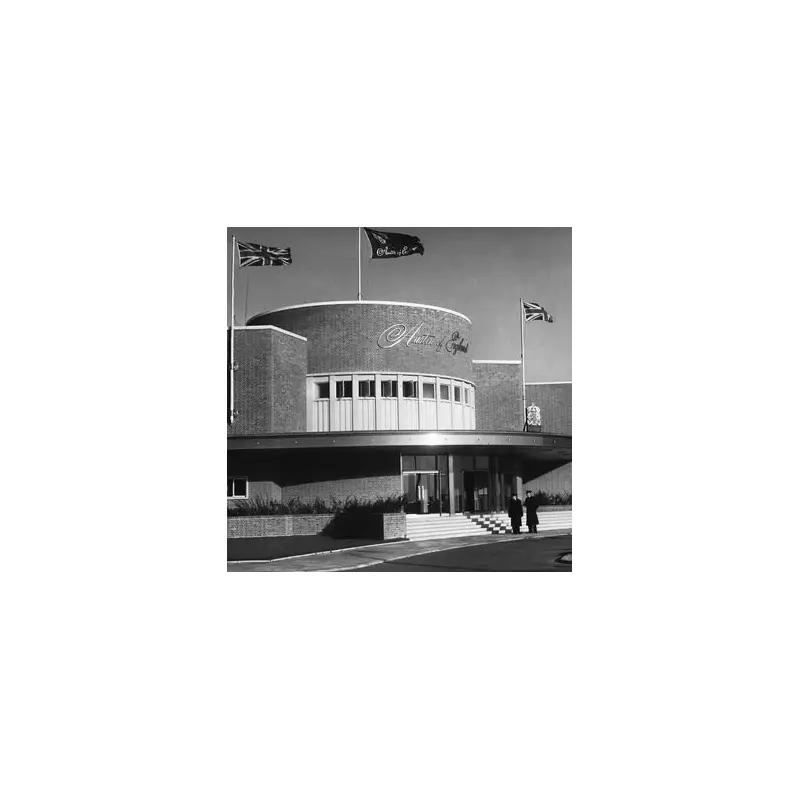
It has been 70 years since 1956, a pivotal year of transformation for Birmingham and the wider West Midlands. A dive into the photographic archives reveals a region on the cusp of the modern age, with new housing, changing transport, and industrial milestones defining the era.
A City Expanding and Modernising
The post-war landscape of Birmingham was rapidly evolving. Major housing developments were springing up in areas like Kitts Green, Shard End, and Kingstanding, addressing the need for new homes. In Shard End, pre-fabricated shops symbolised this speedy expansion, while new retail units appeared on East Meadway in Kitts Green.
On the roads, the automotive heart of Britain was beating strongly. At the Austin Motor Company's Longbridge plant, cars steadily rolled off the production line as the firm celebrated its 50th anniversary. This was the year the luxurious Austin Princess was launched, and the familiar A30 model made way for the new A35.

Transport, Tradition and Royalty
A quiet revolution was underway on the railways. On 1st August 1956, a brand-new diesel multiple unit was photographed entering Snow Hill Station, heralding the gradual phasing out of steam power. Meanwhile, the familiar sight of road works on New Street in late August showed the city adapting its infrastructure.
Royalty graced the region on several occasions. Princess Margaret visited the British Industries Fair Exhibition at the Dunlop Shoes stand on 29th February. Later, on 23rd March, Queen Elizabeth II and Prince Philip toured the old cathedral in Coventry. The year also saw community traditions in full swing, such as the Greenhill Bower procession winding through Lichfield under the shadow of its cathedral on 2nd May.
Sport, Leisure and Daily Life
Sport provided high drama and local pastime. The FA Cup Final in May 1956 saw Manchester City defeat Birmingham City 3-1 at Wembley, with City's keeper Bert Trautmann making a famous brave save. Locally, crowds flocked to the Birmingham Race Course at Bromford Bridge in January, and cycle racing thrilled spectators at Salford Park stadium in May.
Daily life captured in the archives shows a park attendant giving the lawns a final mow at Brueton Park in Solihull before the Whitsun bank holiday crowds arrived. In Sutton Coldfield, a young girl named June Black hosted a tea party for TV star Noele Gordon on 1st June, complete with a cake named after Gordon's show, 'Fancy That'. From the bustling junction of Bull Street and Temple Street, showing Rackhams department store, to the cottages of Church Lane in Handsworth, the photographs paint a vivid portrait of a bygone era.
These snapshots from 1956 offer a powerful glimpse into a West Midlands balancing its rich heritage with the relentless march of progress, a theme that continues to define the region to this day.