Peaky Blinders Movie Locations in the Midlands Today: A Visual Journey
The Peaky Blinders movie, The Immortal Man, immerses viewers in pre-Second-World-War Birmingham, drawing on authentic Midlands settings that still exist today, albeit with significant changes. This article takes you on a tour of these iconic filming locations, revealing their historical roots and modern transformations.
Former Birmingham Small Arms Company (BSA) Factory in Small Heath
One of the most crucial industrial sites featured in the film is the former factory of the Birmingham Small Arms Company (BSA) located in Small Heath. Established in 1861, this facility grew into one of Britain's largest arms manufacturers, producing rifles, bicycles, and motorcycles. During the First World War, it employed thousands of workers, playing a vital role in the war effort.
However, the factory closed around 1980, and most of its buildings were demolished. Today, the site is predominantly occupied by modern industrial units and business premises, symbolizing the shift from historic manufacturing to contemporary commerce.

Calke Abbey in Derbyshire
Another notable filming location is Calke Abbey in Derbyshire, a historic National Trust estate used during the production of Peaky Blinders: The Immortal Man. Once a declining country house, Calke Abbey has been revitalized and is now open to visitors, offering extensive parkland and a glimpse into its storied past.
The Garrison Tavern on Garrison Lane
The famous Garrison Tavern on Garrison Lane served as inspiration for the Shelby gang's fictional headquarters in the series. The real pub closed in 2014 but has since been repurposed, reopening as a kitchen and bedroom showroom, reflecting adaptive reuse in urban areas.
Montague Street in Digbeth
Nearby Montague Street in Digbeth exemplifies modern Birmingham's evolution. Once an industrial district, Digbeth has transformed into a creative and media hub, showcasing the city's dynamic growth and cultural renaissance.
Together, these locations highlight the dramatic changes Birmingham and the Midlands have undergone since the era depicted in Peaky Blinders. From industrial decline to regeneration, each site tells a story of resilience and adaptation.
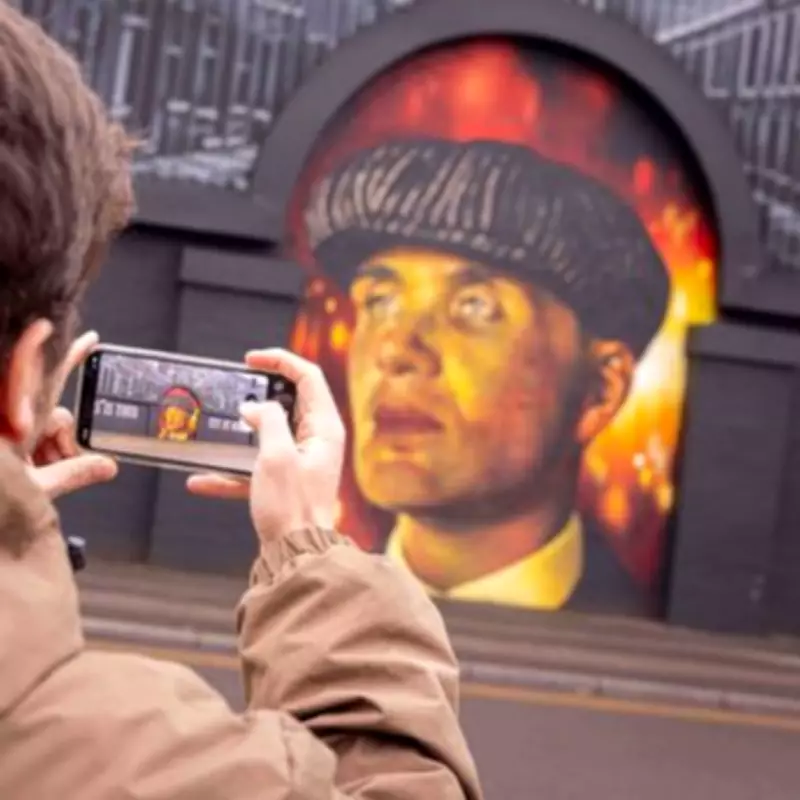
Below are photos from our visit to each place, capturing their current appearance and offering a visual comparison to their cinematic portrayals. This journey not only celebrates the film's heritage but also underscores the region's ongoing transformation.