Dudley Council Implements Zero Tolerance Antisocial Behaviour Plan
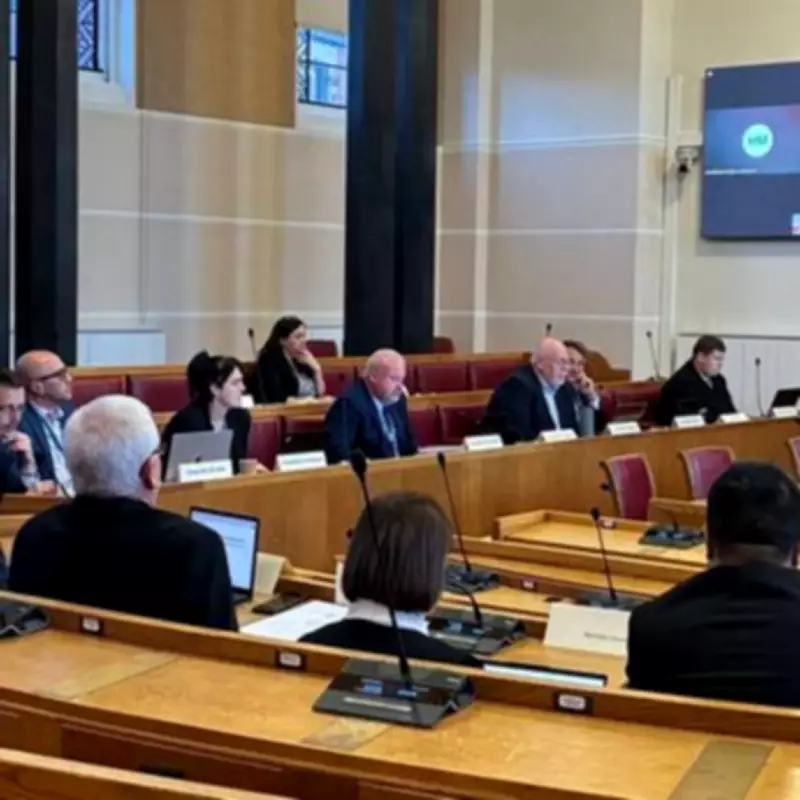
Dudley councillors have endorsed a stringent new approach to antisocial behaviour that could result in the swift eviction of problematic tenants from council properties. The Conservative-controlled council's cabinet meeting on March 25 reviewed a draft policy that adopts a zero tolerance stance towards disruptive conduct.
Enhanced Enforcement Measures
The council intends to deploy a comprehensive array of new enforcement tools to combat antisocial behaviour effectively. These measures include covert surveillance operations, the use of drones to monitor off-road bike activities, increased street patrols in identified hotspot areas, and legal actions to remove persistently troublesome residents from council housing.
The policy document explicitly states: "Enforcement action will be taken against tenants who disrupt the lives of others or commit crime. Victims will be supported, perpetrators will be challenged, and tenancy enforcement will be pursued until unacceptable behaviour is brought to an end."

Improved Response System
Councillor Ian Bevan, the cabinet member for housing and homelessness, detailed the council's transformation in handling antisocial behaviour since 2023/24. "We have moved from a delayed reactive response to a model where every report is assessed and allocated on the same day," he explained. This shift is supported by enhanced case management systems, strengthened partnership collaborations, and a more visible enforcement presence.
These changes have yielded positive results, with tenant satisfaction regarding antisocial behaviour services increasing from 46 percent to 62 percent, according to council data.
Political Support and Scrutiny
While there is broad political consensus on the need for a tough stance, Labour group leader Councillor Adam Aston sought clarification on the practical implementation of zero tolerance. "Is it something we say, or is it something we actually mean?" he questioned, drawing parallels with similar policies in the NHS that sometimes lack effective enforcement.
Council leader Councillor Patrick Harley emphasized the importance of building legally sound cases. "Zero tolerance means zero tolerance, we have to do our job as elected members to help out tenants collect that evidence," he asserted, acknowledging past instances where inadequate evidence collection led to unresolved cases.
Accelerated Legal Proceedings
A key component of the new strategy involves expediting court proceedings through more robust evidence gathering. Councillor Damian Corfield, cabinet member for neighbourhoods, highlighted the use of absolute grounds for eviction, which can reduce waiting times dramatically. "The time frame can be 48 hours where we've probably seen, especially in domestic abuse cases, that can drag out over 12 months, sometimes up to two years," he noted.
Absolute grounds is a legal provision that enables landlords to act swiftly once antisocial behaviour has been substantiated.
Evidence Collection Challenges
Kathryn Jones, the group director of housing and assets, addressed potential issues with evidence manipulation during noise complaints. She described scenarios where residents might instruct household members to remain unusually quiet to amplify background noises that would otherwise go undetected by recording equipment during normal daily activities.
The council plans to review its Housing Allocations Policy before initiating legal processes to incorporate these new antisocial behaviour measures into tenancy agreements, ensuring a comprehensive and enforceable framework for maintaining community standards.