UK Heating Oil Households Confront £800 Price Hike Amid Global Unrest
Households across the United Kingdom that depend on heating oil are facing severe financial strain as global conflicts drive up energy costs. Approximately 1.7 million homes in the UK are not connected to the gas grid and instead rely on oil to fuel their boilers, making them particularly vulnerable to market fluctuations.
Dramatic Cost Increases for Kerosene Deliveries
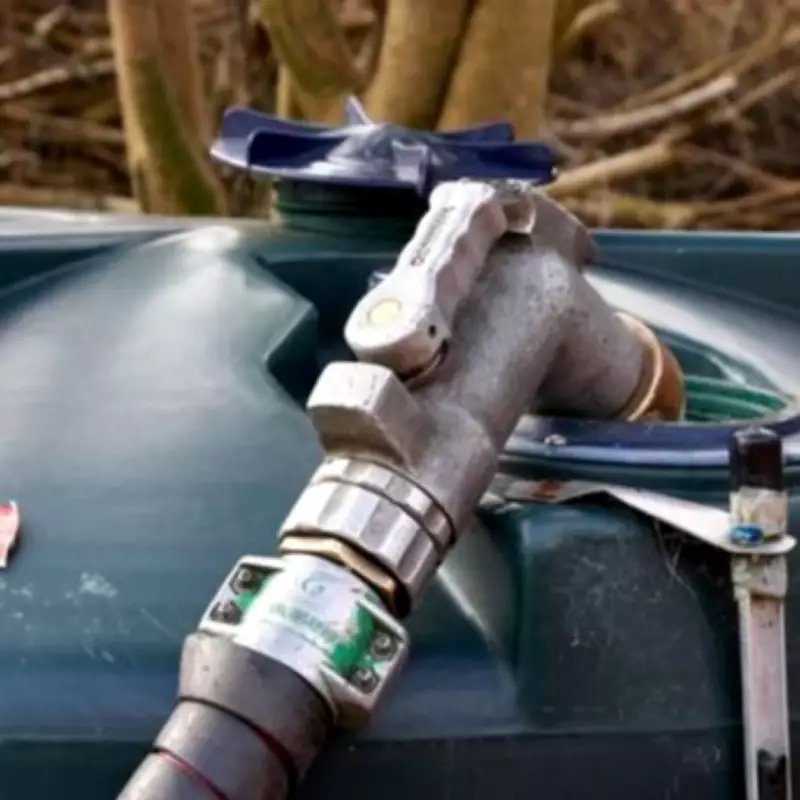
These households typically bulk order kerosene, which is delivered to storage tanks on their properties. Recent reports indicate that in Derbyshire, the cost for 500 litres of heating oil surged from around £300 to between £700 and £800 in the week following the escalation of conflict in the Middle East and Iran. This represents a staggering increase of up to £500, placing immense pressure on family budgets.
Compounding the issue, some suppliers have been unable to provide customers with stable price quotes, creating uncertainty and anxiety among consumers. The situation has sparked urgent calls for government assistance to mitigate the impact on those most affected.

Government Response and Treasury Considerations
In an interview with the Times, Labour Party Chancellor Rachel Reeves addressed the crisis, stating that she has "found the money" to help vulnerable households. She emphasized that the Treasury is actively exploring "different options" to support those struggling with soaring energy bills. This announcement comes as part of broader efforts to address the cost of living crisis gripping the nation.
Voices from the Frontlines: Carers and Charities Speak Out
Joleen Cunningham of Carers NI highlighted the immediate need for relief, telling BBC News NI: "People will want to see this relief delivered quickly and speedily because they need it now. People are struggling, I know from my line of work that carers are struggling to make ends meet."
She further explained that carers often face higher heating costs due to the vulnerable individuals they support, noting: "They are struggling with heating costs, they're more likely to use energy and oil because of the vulnerable people that they're caring for. So their costs and their pockets will be feeling very pinched." Cunningham also raised concerns about how funding might be allocated in Northern Ireland, questioning whether the executive would ring-fence it for its intended purposes.
Megan Stith of Barnardo's NI underscored the critical importance of sustainable heating for families, especially children. She stated: "It's incredibly important to us that families, especially children of all ages, get sustainable heating in their homes. We're looking at a cost of living crisis and families having to choose between feeding their children and heating their homes."
Stith expressed deep concerns about the impact on children's well-being, adding: "We're seeing some real concerns about children's physical and emotional well-being. So we welcome any kind of solution, but [want] a very long and sustainable solution to the heating crisis."
Broader Implications and Future Outlook
The sharp rise in heating oil prices highlights the broader challenges faced by off-grid households during periods of international instability. As the government evaluates its response, stakeholders continue to advocate for swift and effective measures to ensure that no family is forced to choose between essential needs. The ongoing situation serves as a stark reminder of the interconnectedness of global events and domestic energy security.