Government Inspector Upholds Council's Double Rejection of Children's Home
A government planning inspector has dismissed an appeal to open a children's residential home in Wolverhampton, backing the local council's decision that the facility is not needed and would result in the unjustified loss of family housing.
Twice-Rejected Applications
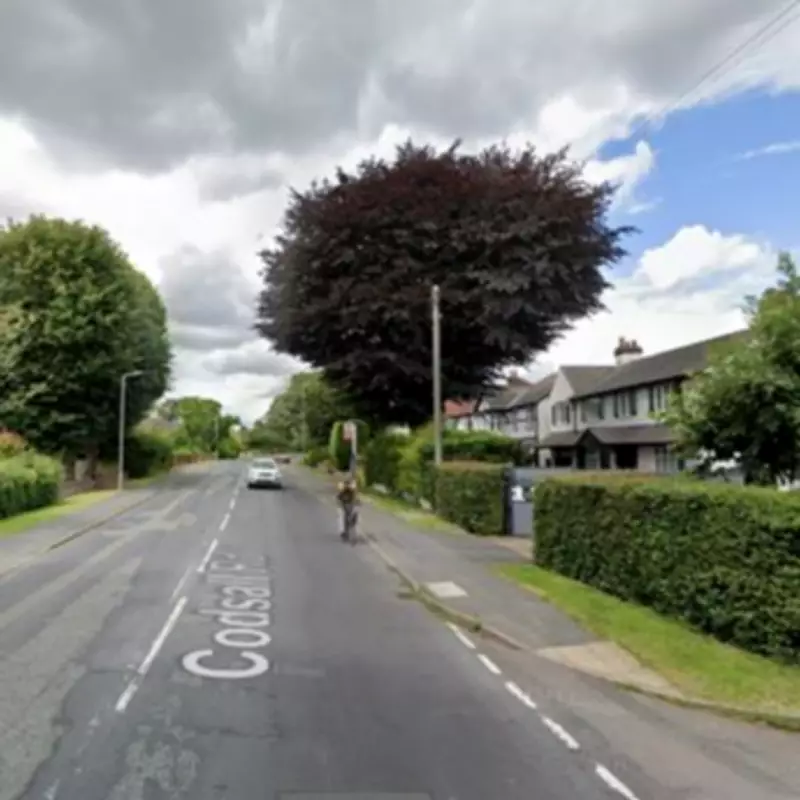
City of Wolverhampton Council has twice rejected planning applications to convert a six-bedroom house on Codsall Road into a residential home for children. The first application in April 2024 sought to house up to four children, while a subsequent proposal for up to three children was turned down earlier this year.
The council argued that the conversion would lead to greater levels of activity, noise, and disturbance in the area. Additionally, planners emphasized that the loss of a six-bed family home would hinder the council's ability to meet its housing targets, stating that Wolverhampton already has sufficient accommodation for vulnerable children.

Inspector's Verdict on Local Need
Support and Sustain Care Ltd appealed to the government's Planning Inspectorate in an attempt to overturn the council's rulings. However, the inspector agreed with the council, concluding that the need for the residential home had "not been adequately demonstrated."
In the rejection notice, the inspector stated: "The appeal scheme would result in the loss of a single family house... the need for the appeal scheme has not been adequately demonstrated. Thus, given the absence of local need for the proposal, the appeal scheme would result in the loss of family housing."
The inspector acknowledged that while it was the loss of a single dwelling, it still represented a reduction in housing stock in an area struggling to provide enough family homes for local needs.
Council's Stance on Housing and Care
In a report outlining the refusal, the council clarified: "There is not a demonstrable need for additional private children's care home accommodation within the city of Wolverhampton, and insufficient justification has been provided to outweigh the loss of a family dwellinghouse amidst growing housing targets."
Contrastingly, the application included a statement arguing that the proposed development would provide an invaluable facility for a small number of vulnerable and neglected young people, offering a caring and nurturing environment they might not have experienced before.
This case highlights the ongoing tension between providing specialized care facilities and maintaining housing stock in urban areas, with local authorities balancing community needs against developmental pressures.