Japanese knotweed could cost UK households up to £12,000 in damages as the invasive plant's growing season is well underway. Homeowners across the country are already battling this persistent weed, with removal and repair costs ranging from £1,000 to £12,000 depending on the severity of the infestation and garden size.
Early Warning Signs
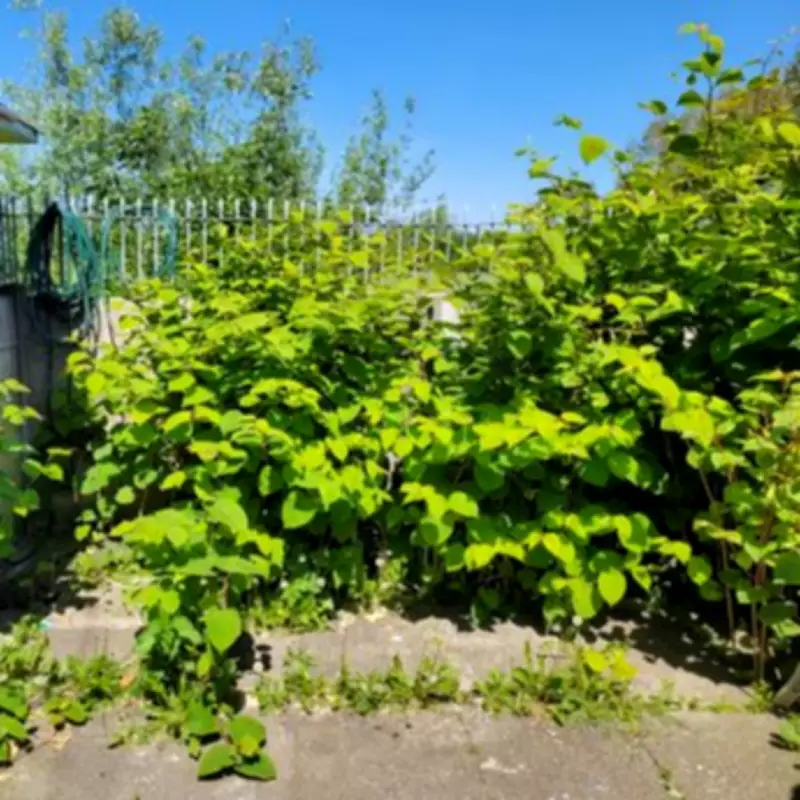
If left untreated, Japanese knotweed can cause serious structural damage to properties. However, there are early warning signs to look out for. In spring, the plants begin to sprout, and by summer they can grow up to six feet tall. Homeowners should watch for spade-shaped leaves with pointed tips, which are the earliest indicators of growth. Clusters of creamy white flowers that bloom in late summer are another tell-tale sign.
Expert Advice
Anna Thunstrom, home insurance and property expert at Saga, warned that removal costs can vary widely. “It could cost you anywhere between £1,000 to £12,000 to have it removed, depending on the garden size and severity of the infestation,” she said.

Legal Implications
The Royal Horticultural Society (RHS) noted that Japanese knotweed is listed on Schedule 9 of the Wildlife and Countryside Act 1981, Section 14. This makes it an offence to plant or cause Japanese knotweed to grow in the wild. Penalties for offences under Section 14 include fines and imprisonment. Additionally, the Anti-social Behaviour, Crime and Policing Act 2014 classifies the weed as having a “detrimental effect of a persistent or continuing nature on the quality of life of those in the locality.”
Nesting Birds Warning
Households are also being urged to be aware of nesting wild birds in their gardens. Gardeners are reminded that disturbing birds, their eggs, or nests could lead to legal trouble. According to Met Office guidance, May is a key month for nesting birds. As wild birds, their eggs and nests are protected by law, it is vital to check that any operations such as pruning or hedge-cutting don’t cause a disturbance that would cause birds to abandon their nests. Disturbing or destroying a bird’s nest intentionally is an offence that could result in a hefty fine, up to six months in jail, or both.
Hedgerow Management
Hedgerow management rules aim to protect hedgerows on agricultural land, as they are important ecological building blocks across landscapes. Hedgerows provide habitat, act as wildlife corridors, and slow soil erosion and water run-off.