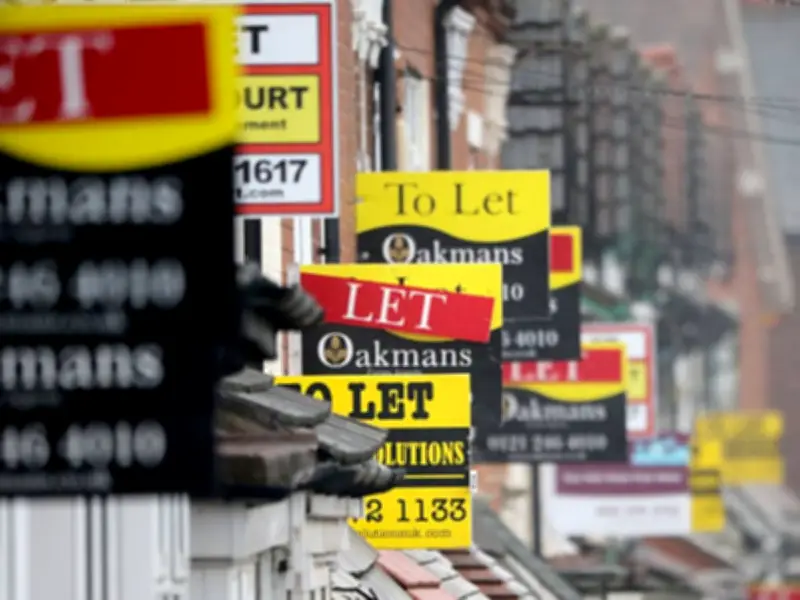
Landlords across England who fail to address serious hazards such as damp, mould, dangerous electrics, and structural issues could face fines of up to £7,000 under new powers granted to councils. The measure, part of the Labour government's Renters' Rights Act, targets 21 categories of hazards classified as Category 1 under the Housing Health and Safety Rating System (HHSRS), the most severe level.
New Powers for Councils
Housing Secretary Steve Reed announced the initiative, stating: "Renters deserve a safe, secure place to call home and our landmark Renters' Rights Act gives councils more options to take speedy action against rogue landlords. These include the new power to issue a £7,000 penalty to a landlord when there is a hazard like severe damp or mould in a privately rented home – a situation that no family should have to live with."
The fines apply to 21 specific hazards that pose the greatest risk to tenants, including extreme cold or heat, fire risks, electrical faults, and inadequate lighting. The government emphasized that these hazards are assessed using the updated HHSRS, which was last reviewed in 2006 and has now been simplified to improve usability.

Updated Hazard List
The revised HHSRS reduces the number of hazard categories from 29 to 21 by amalgamating statistically similar risks. For example, fire and explosion hazards were combined, as were falls on level surfaces and falls associated with baths. Additionally, food safety, domestic hygiene, pests, refuse, personal hygiene, sanitation, and drainage were merged into a single category.
The full list of 21 hazards includes: Damp and Mould Growth; Excess Cold; Excess Heat; Asbestos and Manufactured Mineral Fibre; Carbon Monoxide and Flue Combustion Products, Biocides, Uncombusted Fuel Gas, Volatile Organic Compounds; Lead; Radiation; Crowding and Space; Entry by Intruders; Lighting; Noise; Food Safety, Domestic Hygiene, Pests and Refuse, Personal Hygiene, Sanitation and Drainage; Water Supply; Falls Associated with Baths Etc., and Falls on Level Surfaces; Falls on Stairs or Steps; Falls Between Levels; Electrical Hazards; Fire and Explosions; Hot Surfaces; Collision and Entrapment and Ergonomics – Position and Use of Amenities; Structural Collapse and Falling Elements.
Impact on Tenants
Clara Collingwood, Director at the Renters' Reform Coalition, welcomed the changes: "Home is where you should feel safest, but for far too long hundreds of thousands of renters have been living in substandard homes that undermine our health and cause serious harm to children and vulnerable adults. It's great that authorities have new powers to tackle this, and they must start using them immediately to crack down on landlords who profit from unhealthy homes."
She added that tenants should now feel empowered to report issues: "And now that we have new rights as renters, we need to use them - any tenant living with serious disrepair or damp and mould should know they don't have to put up with it any longer. With new rights and protections, and section 21 evictions scrapped, we can't be evicted for complaining and shouldn't be afraid to report dodgy landlords to the council."