Ramadan in Birmingham: A Celebration of Unity Through Food and Faith
With Birmingham's large and diverse Muslim population, the holy month of Ramadan transforms the city into a vibrant tapestry of spiritual reflection and communal gatherings. This period of fasting, observed by Muslims worldwide, sees families and communities come together to break their fast at sunset, known as Iftar, creating moments of serenity and connection amidst the bustle of daily life.
The Spiritual Essence of Ramadan
Ramadan is a month-long observance where Muslims abstain from food, drink, and other physical needs from sunrise to sunset, fulfilling one of the five pillars of Islam. Beyond dietary restrictions, it emphasizes self-discipline, spiritual growth, and avoidance of sinful behaviors like lying and gossiping. The day begins with Suhoor, a pre-dawn meal, and includes mandatory prayers, with many also participating in Taraweeh prayers at night, often gathering at mosques for these cherished rituals.
Iftar: Breaking the Fast with Tradition and Diversity
As sunset approaches, Muslims break their fast with a date, following the Sunnah of the Prophet Muhammad, before enjoying Iftar meals. In Birmingham, this tradition showcases the city's rich cultural mosaic, with each community bringing its unique culinary heritage to the table. From Bangladeshi households to Moroccan and Egyptian families, Iftar becomes a feast of flavors and shared experiences.

Bangladeshi Iftar: A Taste of Home
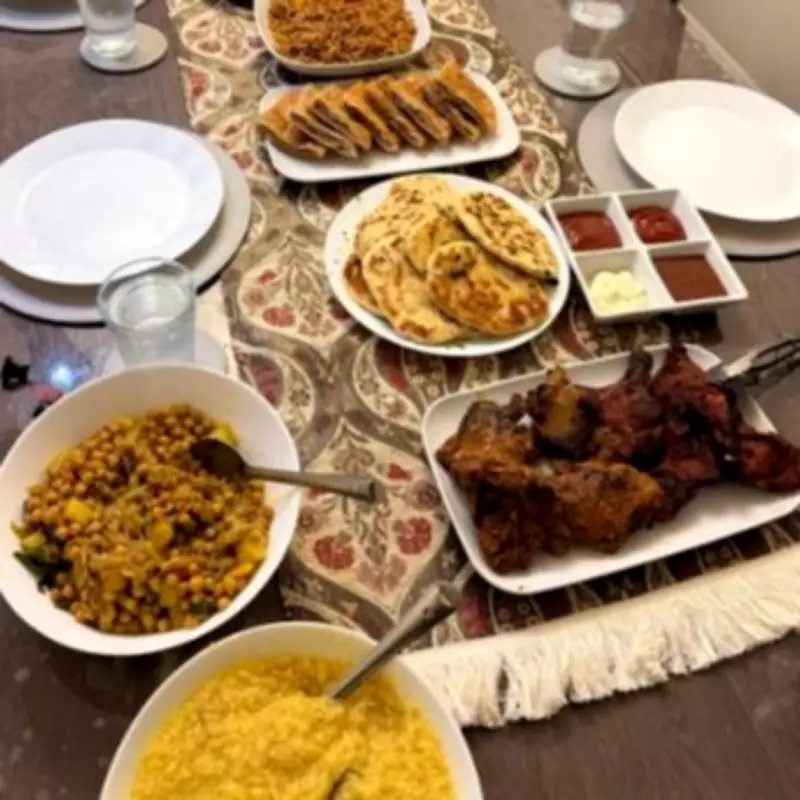
In Bangladeshi homes, Iftar often starts with Kisoori, a savory dish made from crushed rice, ginger, onions, salt, and fenugreek seeds, paired with spiced chickpeas known as chana. Families prepare handmade snacks in advance, such as samosas, spring rolls, onion bhajis, and chicken pakoras, ensuring a hearty spread for the month. This culinary preparation fosters family bonding and preserves cultural roots.
Moroccan Delicacies: Sweet and Savory Treats
Moroccan communities in Birmingham indulge in exquisite dishes during Ramadan. Sweet treats like Fekkas, crunchy almond cookies, and Chebakia, honey-coated sesame cookies, are staples. Savory options include Bastilla, a pastry filled with chicken and almonds, and harrira soup, a hearty blend of meat, chickpeas, tomatoes, and spices, essential for breaking the fast.
Egyptian Iftar: Warmth and Togetherness
Egyptian households feature dishes such as rice with vermicelli, baladi bread, and grilled meats like kofta. Mashi, stuffed vegetables, and Maqlooba, an upside-down layered rice dish with meat and fried vegetables, are popular for special occasions. As Zaynab Hamdy from Solihull notes, "Iftar for Egyptians is warm, with laughter and everyone contributing, making it a fun time of togetherness."
Community Iftars: Bridging Gaps in Birmingham
Beyond family homes, mosques and institutions like universities host community-style Iftars, offering free meals to students and others away from home. This practice not only provides nourishment but also fosters a sense of belonging, bringing people from different backgrounds together. In a city as diverse as Birmingham, Ramadan may look different at every table, but the spirit of unity and compassion remains constant.
As the call to prayer echoes across neighbourhoods, families gather, plates are passed, and for a moment, the city slows down, united in faith and fellowship. Ramadan in Birmingham is a testament to how cultural diversity can strengthen community bonds, making it a beloved time for all who participate.