The Midlands' Real X-Files: Four Documented Cases That Defy Explanation
While most UFO sightings, big cat reports, and ghost stories quickly unravel under scrutiny, some regional mysteries withstand the test of time and investigation. These four documented cases from the Midlands represent genuine unexplained phenomena that continue to puzzle experts and residents alike.
The Birmingham Poltergeist Case: Three Years of Mysterious Attacks
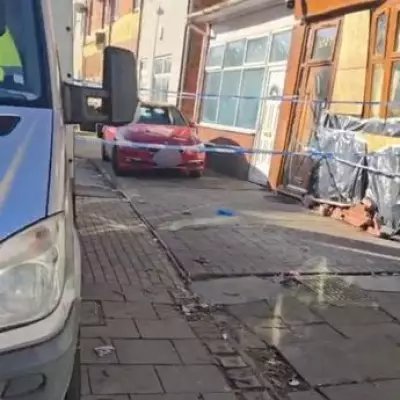
For three long years beginning in May 1981, residents of Thornton Road in Ward End, Birmingham endured a bizarre nightmare. Polished pebbles seemed to fall from the night sky, shattering windows in what began as a vandalism investigation but soon became classified as a paranormal phenomenon.
Three properties—numbers 32, 34, and 36—bore the brunt of these mysterious assaults. Householders erected barricades of corrugated sheeting and set trip wires in their gardens as protection. Police invested over 1,000 man-hours in the investigation, camping in gardens, hiding in trees, and installing secret cameras.

Chief Inspector Len Turley, leading the investigation, told the Birmingham Mail: "We have spent more than 1,000 man hours on this case. We are keeping an open mind about the whole thing. We don't know why it's gone on for so long."
Residents who lived through the bombardment described the psychological toll. One recalled: "I used to go to bed with a Bible under my pillow and prayed every night for it to stop." Another remembered: "You could hear the stones rolling down the roof. It was so weird."
Despite Superintendent Baden Skitt's December 1981 vow that "we will get him in the end," the perpetrator—if there was one—never slipped up. The case remains officially unsolved, with police maintaining it was likely a catapult-wielding vandal rather than supernatural activity.
The Hollinwell Mass Fainting Incident
On July 13, 1980, at the Hollinwell Showground near Kirkby-in-Ashfield, Nottinghamshire, approximately 300 children and parents—many from the West Midlands—mysteriously collapsed during a jazz band competition. The scale was staggering: of 500 people present, 300 were overcome and 259 required hospital treatment.
One young participant described the sensation: "My legs and arms felt like they had no bones in them." The official inquiry concluded mass hysteria was the most likely explanation, suggesting the crowd succumbed to a psychosomatic plague.
Alternative theories have emerged over the years:
- Pesticide exposure from nearby crops treated with tridemorph, a chemical classified as "moderately hazardous" by the World Health Organization
- A 2003 BBC investigation uncovered local use of this chemical around the time of the incident
- More recently, Nottingham Trent University researchers suggested chlorine gas from cleaning products in temporary toilet blocks
Despite multiple investigations, what truly caused hundreds to simultaneously collapse remains unexplained.
The Sutton Coldfield Frog Rain
In a near-Biblical event during June 1954, thousands of thumbnail-sized frogs fell from the sky over Sutton Park in Sutton Coldfield. Sylvia Mowday, caught in the unusual downpour, recalled: "I thought it was hail, but my son suddenly said 'It isn't hail, mum, they're frogs, baby frogs.'"
The phenomenon lasted approximately five minutes, with the tiny amphibians covering shoulders, umbrellas, and the ground. Mowday added: "Afterwards we were afraid to move in case we trod on them."
Scientific explanations for "animal rain" typically involve waterspouts or strong updrafts lifting creatures from water bodies. However, meteorological records show no severe weather or tornado activity in Birmingham on that day—just ordinary rain preceding the amphibian shower.
The Acocks Green Skull Mystery
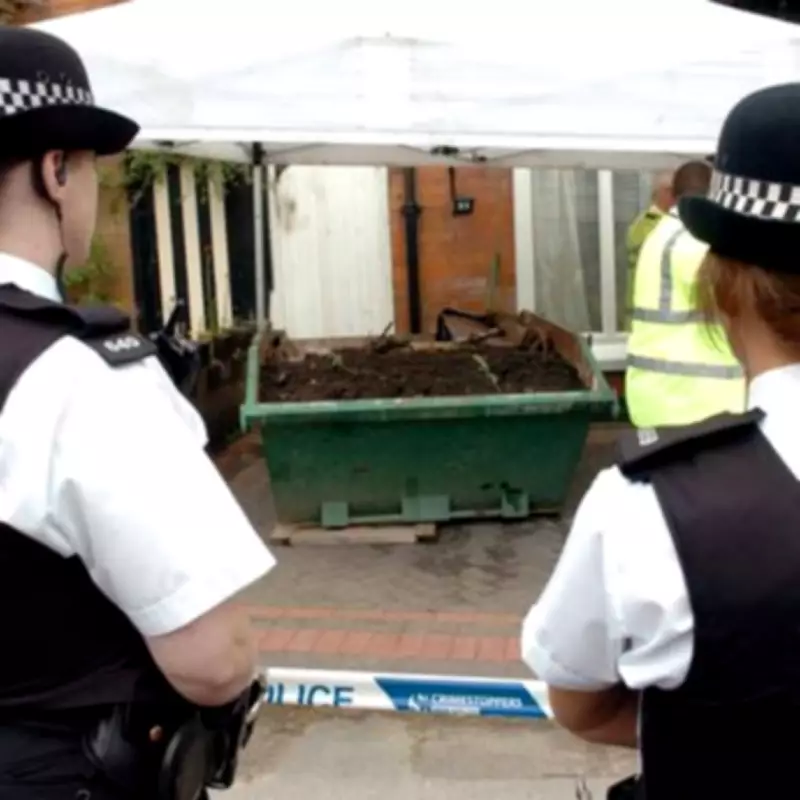
On May 25, 2006, workers made a grisly discovery in a skip on Oxford Road, Acocks Green: a dry, clean human skull encased in a plastic bag. Twenty years later, the case continues to generate more questions than answers.

Forensic examination revealed the skull belonged to a teenage girl with prominent teeth who had been alive during the 1950s. Detective Chief Inspector Sally Holmes stated at the time: "There is no evidence this is a murder enquiry. The skull has been thoroughly examined and there is nothing to suggest any trauma."
West Midlands Police developed a theory about the skull's origin: "We believe it may have been imported and part of a collection long before there were restrictions on the trade of skeletons." This suggests a medical or educational specimen rather than evidence of foul play.
Despite this explanation, the case has spawned rumors of diabolical rituals and continues to intrigue those fascinated by unexplained discoveries.
These four cases represent genuine Midlands mysteries that have resisted conventional explanation. From possible paranormal activity to mass psychological phenomena and bizarre meteorological events, they remind us that some regional stories truly deserve their "X-Files" designation.