As Prime Minister Keir Starmer pushes ahead with plans to ban under-16s from social media, parents of young influencers and content creators argue the proposed law would stifle creativity, entrepreneurship and family livelihoods — and say digital safety is best managed at home, not by the government.
Parents speak out against blanket ban
While the government contends that technology is driving a youth mental health crisis, many families regard social media as a platform for creativity, connection and budding entrepreneurship. Parents of young influencers argue that a blanket ban could immediately dismantle their children's businesses, hobbies and future financial security.
Two mothers have spoken out to explain why they consider a complete ban to be misguided, maintaining that digital safety ought to be managed within the home, rather than by the government.

Family TikTok account with 50,000 followers
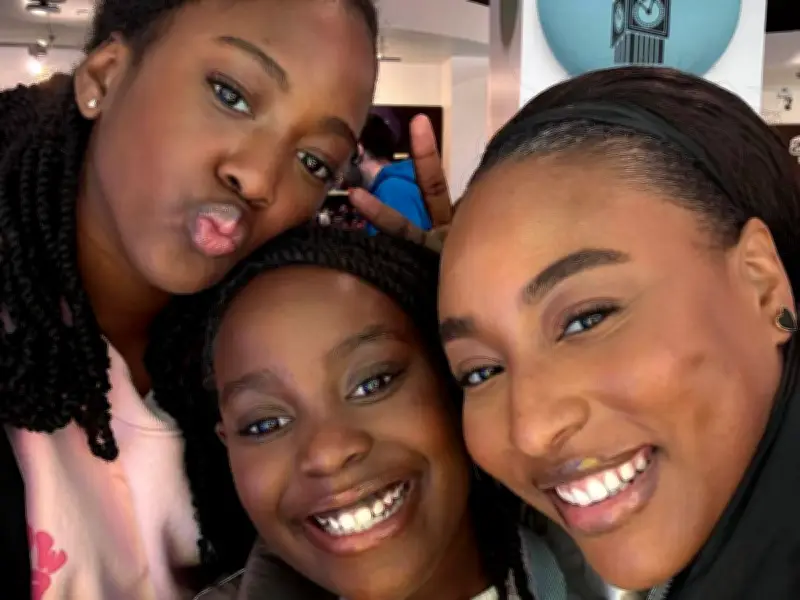
In Nottinghamshire, 35-year-old freelance graphic designer Kim Wedderburne operates a joint TikTok account with her daughters, Soraya, 12, and Cianna, 10. Between them, they have accumulated nearly 50,000 followers who watch for insights into their day-to-day lives. Their account took off overnight following a reaction video they shared about the live-action The Little Mermaid film starring Halle Bailey, soaring from zero followers to 14,000 in under a week.
"I think because their videos are so real, people feel relatable," Kim says. "We're just a normal family. We're not rich, we just live in Nottingham, the girls share bunk beds, we don't do extravagant things. People seem to like that."
Beyond clips documenting their daily lives, the family utilises their platform to address serious personal matters, including how they navigated Cianna being bullied at school. The channel has unlocked opportunities the family never imagined possible, landing them paid advertising campaigns, gifted products, invites to film premieres and local restaurants, a feature in a BBC series, and collaborations with Minecraft and Harper Collins books.
Social media as a learning tool
Away from the material benefits, Kim says Cianna has used social media tutorials to independently master complex makeup techniques. She said: "It's amazing she can explore that ability and find something she likes. She is trying and practicing. It gives her an avenue so that when she gets older and is starting to work, she can have more options available. Being online is what's helped her."
Sophie Pugh, a social media manager, has no concerns about her 13-year-old Darcey posting content online. The teenager has grown up observing her own mother build a social media business, making her own move to TikTok feel entirely natural. She regularly shares makeup tutorials, everyday vlogs, and dancing videos.
Entrepreneurial benefits for teens
Upon announcing the ban, the PM declared that "social media is making children unhappy" and that "it is hard as a parent to know what to do." Sophie wholeheartedly disagrees. "I think there are such perks to social media," Sophie said. "It gives children confidence and it can give them an alternative to learning other skills such as becoming an entrepreneur. Darcey has a real entrepreneurial head. She created a bracelet business with her friends last year, and launched an Instagram account while also promoting it on TikTok."
In the lucrative world of content creation, successful influencers can bring in anywhere from a few hundred to thousands per month through ad revenue, brand deals and affiliate marketing. "I think children posting online isn't a bad thing," Sophie added. "If anything, it makes them more creative and even entrepreneurial. Darcey loves posting online, it's also a way for her to keep in touch with her friends. She will post makeup videos, every day life and a lot of miming and dancing videos, I can't see the harm in that."

Financial impact of the ban
She also draws attention to the financial consequences that a ban could bring about, adding: "It can be a good way for them to earn some money to put aside for later in life. Some young content creators can earn thousands from it and it's a good way for them to start up. If they get the right endorsements, user generated content is massive, especially for brands who have customers of a younger age it's perfect and some content creators may lose their careers over it."
"But when this ban does come in, we will support it. We will deal with it, but it's hard because I can't sit there and tell her you can't do that, when I make a career from it."
Parental responsibility vs. government control
While Sophie recognises that the internet can be a "scary place," she believes a complete ban falls short of the solution, with difficulties emerging when parents neglect to supervise their children's online behaviour. "I think more needs to be done," says Sophie. "But it has to be up to the parents to manage it. I am aware some parents don't, which is when problems arise."
Sophie reckons restrictions ought to focus on children under 11, who are "probably a little bit too young to be on it" instead of digitally-savvy teenagers. Both parents place their children's safety at the forefront. Soraya and Cianna have strict privacy settings and screen-time limits, with their mother stating she firmly "stands within the boundaries of how these apps are meant to be used."
Enforcement challenges and alternatives
Should the ban become law, both families will reluctantly adjust, though critics and technology experts remain deeply unconvinced about its implementation. The government has indicated it will deploy "highly effective age assurance" to enforce the legislation. Yet critics argue this will not prevent teenagers from utilising Virtual Private Networks (VPNs) to disguise their locations and circumvent age verification checks altogether.
Technology behemoths including Meta, YouTube and Snapchat have raised identical concerns. While they claim to support protecting children's safety online, they caution that a heavy-handed ban could drive tech-savvy youngsters away from regulated, mainstream apps towards dangerous, unregulated alternative platforms.
As Kim points out, if the government intends to shut down children's digital spaces, they need to provide a real-world alternative, such as youth clubs. She said: "If it does come into place, we will just have to get on with it. We're not really being given another choice. We will lose a portion of our followers but we will just keep posting as we do. I think it will be shocking for the kids at first, but it's just something they will have to adapt to."