Few things are as quintessentially British as fish and chips. A pub classic across the UK, they are arguably much better when eaten with a two-pronged wooden fork on a windswept beach or picked up from the local chippy on a rainy Friday night. What started as a cheap, nourishing meal for the working class during the Industrial Revolution has become a part of our national identity. During both world wars, fish and chips were one of the few foods never rationed to maintain public morale. National Fish and Chip Day, on June 5, celebrates this iconic dish. It is a time to thank the fishers, farmers and chip shop owners who allow us to enjoy a comforting fish supper year after year – and to look at what makes it so special.
Anatomy of a Perfect Portion
The Fish
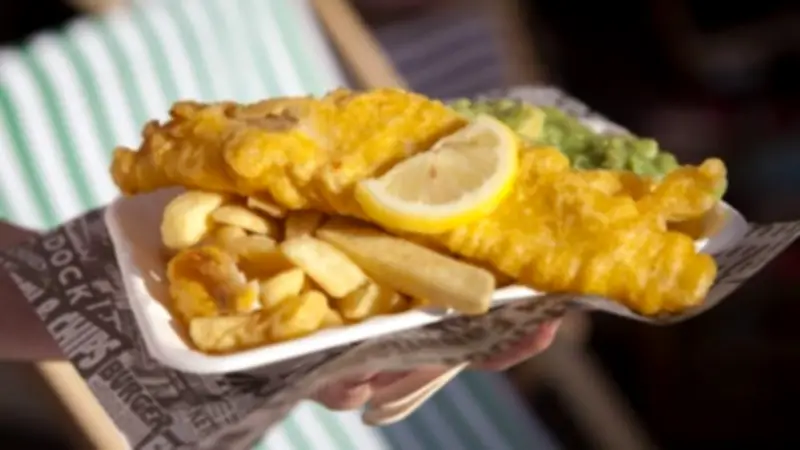
Cod (mild and flaky) and haddock (more flavourful) are the undisputed kings. There was an outcry when it was revealed that rogue chippies had been using inferior catfish to cut costs. The fish is dipped in a simple flour-and-water (or beer) batter and deep fried until bubbly crisp.
The Chips
Chippy chips are cut thick, freshly peeled and double-fried. The potatoes must be a floury variety, like Maris Piper, to ensure the chips are fluffy inside but crisp and golden on the outside.

Regional Variations
Frying Medium
The North traditionally fries everything in beef dripping, which gives the batter and chips a rich, savoury flavour. The South generally uses vegetable or sunflower oil, resulting in a lighter, cleaner taste.
Condiments and Sides
Salt is a given, but then there are the sauces. Thick meaty gravy is a staple in Northern England, while a mild, slightly sweet curry sauce is popular in Wales and the Midlands. Around Edinburgh, the takeaway comes with 'chippy sauce', a thin tangy brown sauce (like HP) diluted with malt vinegar or water. Elsewhere, they get a good dousing of vinegar with ketchup, mayo or perhaps tartar sauce if you are in a gastropub. When it comes to added extras, scraps are a Northern favourite – crunchy, leftover bits of loose batter scooped straight out of the fryer. And mushy peas are an absolute must for many nationwide – marrowfat peas simmered with a touch of sugar and mint until they form a gloriously green, thick paste.
Friday Fish Supper
You do not need a deep fat fryer to recreate that magical takeaway texture at home. This simple method gives a wonderfully bubbly batter and perfectly crisp, fluffy chips using everyday cookware.

Ingredients
- 2 large fresh fillets of cod or haddock
- 100g plain flour, plus extra for dusting
- 100ml cold fizzy water or light beer
- 1 tsp baking powder
- 4 large Maris Piper potatoes, cut into thick chips
- 1L vegetable oil for frying
Method
- Peel and chop your potatoes, then rinse thoroughly in cold water to remove excess starch. Boil them gently for five minutes until slightly softened, then drain well and let them completely air dry on a clean tea towel.
- Mix the flour, baking powder and a pinch of salt in a large bowl. Pour in the ice-cold fizzy water or beer, whisking quickly until it forms a smooth texture similar to thick cream.
- Heat the oil in a deep, sturdy pan until it reaches 130C. Fry the dried potatoes for about eight minutes until they are cooked through but not yet changing colour, then remove with a slotted spoon.
- Turn the heat up until the oil reaches 180C. Dust your fish fillets in plain flour, dip them completely into the wet batter, then carefully lower them into the hot oil for five minutes until golden.
- Remove the cooked fish and drain on kitchen paper. Toss the potatoes back into the hot oil for two minutes to give them a final, beautifully crisp exterior before serving with your condiment of choice.