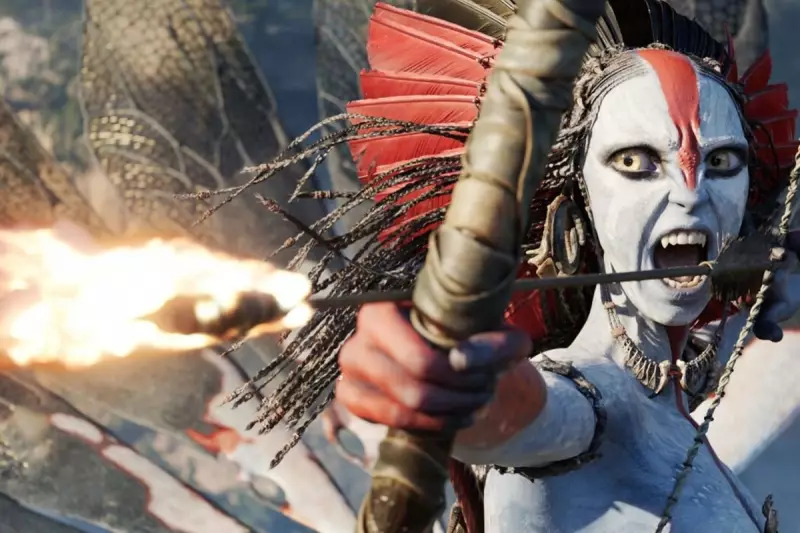
Oscar-winning director James Cameron has once again pushed cinematic boundaries with the release of Avatar: Fire and Ash, the third instalment in his monumental sci-fi saga. However, the film's staggering 197-minute runtime and complex narrative have sparked debate, with some critics suggesting the filmmaker's time might have been better spent revisiting another of his iconic franchises.
A Saga of Spectacle and Scale
Set in the year 2171, Avatar: Fire and Ash continues the story of Jake Sully (Sam Worthington) and the Na'vi, one year after the events of 2022's Avatar: The Way of Water. The plot introduces the formidable 'Ash People' and escalates the conflict with the human Resources Development Administration (RDA), set against the dramatic backdrop of Pandora's volcanic regions. The film is undeniably a visual feast, showcasing Cameron's signature performance-capture effects and breathtaking battle sequences.
Yet, the review notes significant shortcomings. The plot is criticised for lacking a clear beginning, middle, and end, with dialogue that fails to resonate. Keeping track of the numerous blue-faced characters proves challenging, and the score by composer Simon Franglen struggles to unify the film's sprawling themes. The production has also been shadowed by real-world tragedy, with both editor John Refoua (2023) and producer Jon Landau (2024) passing away during the long journey to the screen.

The Case for Terminator 2029
The article pivots to a compelling alternative history, arguing that the now 71-year-old Cameron missed a crucial opportunity. Instead of a third Avatar sequel, he should have crafted Terminator 2029. The original Terminator film, released in 1984, was set in a near-future 2029, a date now just three years away.
In today's world, fractured by global conflict, energy crises, and debates over artificial intelligence and drone warfare, the reviewer contends that Cameron's physicist mind is uniquely positioned to reflect on his own 40-year-old vision. The later Terminator films—Salvation (2009), Genisys (2015), and Dark Fate (2019)—never matched the quality of Cameron's own 1984 and 1991 entries, leaving a narrative gap he alone could fill.
The Future of Cinema at Stake?
Cameron has recently expressed fears for the future of cinema, but the review suggests that films exceeding three hours may be part of the problem, regardless of box office success. Fire and Ash is only Cameron's third film this century, compared to the eleven directed by his contemporary Christopher Nolan since 2000.
The reviewer's experience watching the film in standard 2D, with plans for a future IMAX 3D viewing to catch missed details, underscores the movie's overwhelming density. While the visuals of flying dragons and fantastical creatures impress, they are likened to a blend of How to Train Your Dragon and Harry Potter's Quidditch, lacking the natural grace of real-world birds. The article concludes that while the Avatar journey continues towards planned releases in December 2029 and 2031, a return to the gritty, prescient world of The Terminator might have been a more timely and impactful endeavour for the legendary director.