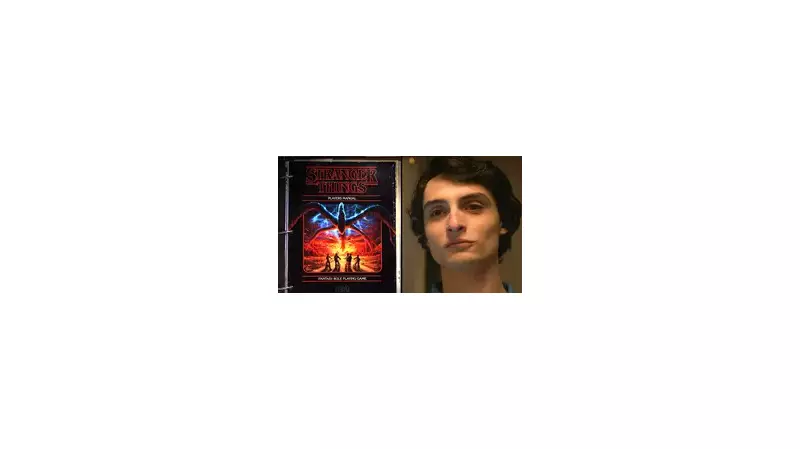
The final moments of Stranger Things left some fans in the Upside Down of confusion. A two-minute end credits sequence, set to David Bowie's 'Heroes', presented iconic scenes from the series styled like pages from a classic Dungeons & Dragons manual. This creative choice, culminating in a shot of a 'Stranger Things Players Manual' with a D20 dice showing a seven, led many to speculate: was the entire saga just an elaborate D&D campaign?
What the Duffer Brothers Really Meant
In a recent interview with Deadline on 2 January 2026, creators Matt and Ross Duffer set the record straight. They confirmed that the 'Stranger Things Players Manual' is not a real product, nor is it a narrative device suggesting the show's events were fictional within its own universe.
"Obviously, it’s not to say the whole show was a D&D campaign," Ross Duffer stated. The idea, Matt explained, was initially inspired by the illustrated credits of The Lord of the Rings: The Return of the King. They collaborated with title sequence company Imaginary Forces, deliberately moving away from an early concept of drawings from Will's notebook to fully embrace the aesthetic of vintage D&D guides.

The illustrators hired were artists from the actual 1980s who had worked on the original D&D manuals, ensuring an authentic period feel. "So it really came full circle," Matt said, emphasising their primary goal was to give the series a definitive, finite feeling of 'The End'.
A Tribute to Characters and the Journey
The illustrated credits served a poignant, practical purpose beyond style. They acted as a tribute to include beloved characters—and the actors who portrayed them—who are no longer part of the story, such as Barb, Bob, Billy, and Eddie. Contractual reasons prevented these actors from being listed in the standard final credits, but the artwork provided a heartfelt workaround.
"It was just a way to pay tribute to everyone and also let the audience, hopefully, take in this journey that they’ve been on for nine years," Ross Duffer added. The D20 roll of a seven was a specific callback to Will Byers's fateful roll in the very first episode, bookending the series where it began.
Clarifying the Confusion and Legacy
The creative team has been clear: the credits were never intended to retcon the show's reality. Instead, they are a meta-textual homage to the game of Dungeons & Dragons that inspired the show's structure, bonded its core characters, and provided the language for its otherworldly threats.
This explanation puts to rest fan theories that Mike Wheeler might have been the dungeon master of the entire story. The visuals are a celebration, not a revelation. The Duffers aimed to honour the show's legacy, its fallen heroes, and the role-playing game that started it all, ensuring the finale felt like a proper, emotional conclusion to a nearly decade-long phenomenon.