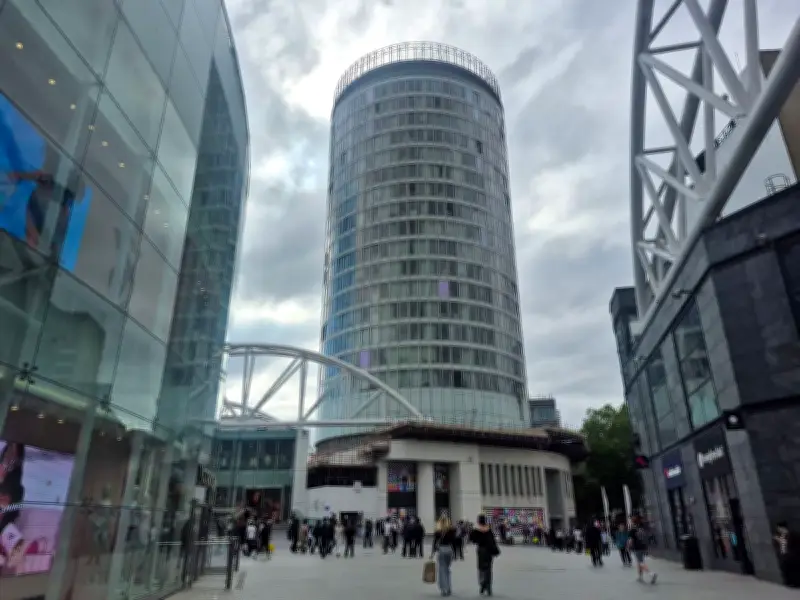
The Rotunda, one of Birmingham's most iconic skyline features, still has scaffolding in place three years after it was first erected. The temporary structure, along with a makeshift tunnel over the walkway from the Bullring to New Street station, has remained since early 2023, with no visible progress on the building's exterior.
Why Is the Scaffolding Still There?
The scaffolding was put up in anticipation of a works programme to replace all the glass spandrel panels on the building's exterior with aluminium panels. Birmingham City Council granted planning permission for this on July 18, 2023, with the condition that work must begin within three years of that date. The 266ft-tall, Grade II-listed cylindrical building, originally an office block, was converted into residential accommodation in 2004, with shops added to lower floors between 2005 and 2008.
Safety Concerns and Past Incidents
The scaffolding was necessary to ensure safety while repairs were carried out, particularly after an incident in 2006 when glass fell from the Rotunda, leading to the sealing off of the shopping area below. The building had also been showing signs of wear, with missing panels around its iconic form—some of which remain missing today.

Owner's Statement
Hammerson, which owns the Rotunda and the surrounding land, said: “The scaffold was put up in anticipation of a works programme, including updates to the exterior, which has been going through necessary approvals. Works are now forecast to start later this year.” The company did not provide a specific start date or timeline for completion.
Historical Background
The Rotunda, designed by architect James Roberts, was completed in 1965 and originally intended to include a revolving restaurant at the top—an idea that never materialised. It was converted into residential use in 2004, with 24 floors of apartments. Despite its iconic status, the building has faced maintenance challenges over the years, and the current scaffolding has become a familiar sight for residents and visitors alike.